Concentration
MasteredCould occupy the crease for entire sessions through extraordinary mental discipline.
How it developed
Years of net practice that focused on staying patient against the same delivery a thousand times.
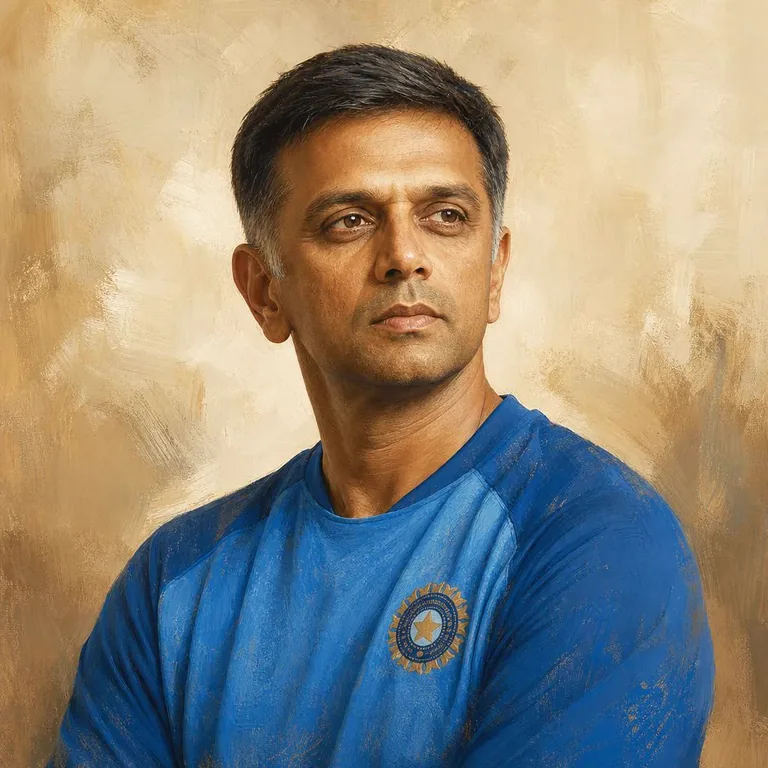
Indian Cricket Legend; The Wall.
The classical batsman who turned patience into a national virtue — and then quietly built India's next generation of cricketers as a coach who refused the credit.
Every story has the highlights. This is the boring middle, the doubts, and the moments that quietly changed everything.
Family moved to Bengaluru when he was an infant; his father worked for a jam company — earning him the childhood nickname 'Jammy'.
A middle-class south Indian household with no cricketing pedigree.
Pedigree is a head start, not a finish line.
Made his Ranji Trophy debut at 18 against Maharashtra; scored a patient 82 in his second match.
Breaking into a Karnataka batting order full of established Test players.
Patience at the crease starts as patience for the chance.
Made 95 on debut against England at the home of cricket; the innings that defined his classical technique.
Five runs short of a debut hundred in the most pressurised venue in the sport.
Get out at 95 once and you become the man who comes back for the 100.
Scored 148 in Johannesburg under hostile conditions, announcing himself as India's premier away-batsman.
Indian batsmen were historically poor in seaming conditions; he had to rewrite the script.
Reputation away from home is the hardest reputation to build.
His 180, alongside V.V.S. Laxman's 281, helped India follow-on and beat Australia in one of cricket's greatest Tests.
Batting for nearly two days against a Steve Waugh-led Australian attack.
The biggest victories are won by the man who refuses to let go of his end.
Took up wicket-keeping in ODIs so India could play an extra batsman — a personal sacrifice for team balance.
Adding a demanding new discipline at peak career risk.
Star players who do the unglamorous work create space for others to shine.
Took over from Sourav Ganguly; led India to a Test series win in West Indies after 35 years.
Captaining a side in transition during the messy Greg Chappell era.
Inheriting a difficult role is sometimes more useful than waiting for a clean one.
Resigned the captaincy following India's group-stage exit at the 2007 ODI World Cup.
Owning a national failure publicly.
Step down before you're pushed; the institution remembers.
Became the first non-Australian to deliver the prestigious oration — a clinical, generous speech about the spirit of the game.
Speaking with authority about a country and tradition not his own.
Cross-cultural respect is built by reading more than you talk.
Announced retirement after a tough Australia tour; finished with 13,288 Test runs at 52.31.
Walking away while still being asked to play.
Leave at a moment of your choosing, not theirs.
Took the lower-paid, lower-glamour coaching jobs over the senior team — to shape the pipeline.
Choosing impact over visibility at the start of his coaching career.
The most leveraged coaching jobs are upstream of the spotlight.
Took over from Ravi Shastri; emphasised process over results in public.
Coaching the most-scrutinised cricket team on earth while protecting young players from the noise.
The coach's job is to absorb scrutiny so the players don't have to.
Beat South Africa in the final in Barbados — India's first ICC trophy in 11 years; he handed his medal to Rohit Sharma.
Delivering a global title with a generation of pressure on the team.
Hand back the trophy. The team will remember who handed it back.
Skills aren't talents — they're the residue of a thousand decisions. Here is what compounded over a lifetime.
Could occupy the crease for entire sessions through extraordinary mental discipline.
Years of net practice that focused on staying patient against the same delivery a thousand times.
Soft hands, late play, perfect balance — a textbook technique built for hostile foreign conditions.
Coach Keki Tarapore drilled the basics from age 12; he never abandoned them.
Wicket-kept, opened, batted at 3 or 6 — whatever the team needed at the time.
Forged in the team-first culture of the early-2000s Indian dressing room.
Almost never lost his composure on the field; rarely sledged, never abused officials.
Cultivated as a deliberate counter-image to the era's combative captains.
Builds players one conversation at a time; protects them publicly even when they fail.
Decades of being mentored by Anil Kumble, John Wright, and Greg Chappell taught him what worked and what didn't.
Speaks rarely but precisely; the Bradman Oration is studied as a masterclass.
Reads widely, writes drafts long before he speaks, and refuses to be quoted without preparation.
No journey is a straight line. The setbacks weren't detours — they were the route.
Captained India to a humiliating early exit; lost to Bangladesh and Sri Lanka.
Took responsibility publicly, resigned the captaincy, returned to focus on his batting.
Captaincy is the cricket equivalent of a public CEO role. Take the loss, exit cleanly, keep contributing.
Caught between a divisive coach and a fractured dressing room; relationships frayed.
Worked with the next coach Gary Kirsten to rebuild trust within the squad.
You can't fix a dysfunctional system from inside it as captain. Sometimes you have to wait for the next regime.
Selectors dropped him from the limited-overs format mid-career.
Channelled the rejection into the longer format; returned to ODI cricket briefly in 2011.
Format demotion is not career demotion. Refocus on what you still do best.
India lost 0–4; Dravid's own form suffered; the series accelerated his retirement decision.
Retired with grace and pivoted to coaching India's pipeline.
Retirement after a bad series is honest. Retirement after a good one is theatre.
The books on the shelf, the people they studied, the ideas they kept returning to.
ESPNcricinfo editors
An anthology of writing on Dravid by cricket's best writers — the closest thing to a definitive portrait.
Vedam Jaishankar
The most thorough biographical treatment, with deep family and team interviews.
Yuvraj Singh
Yuvraj's memoir contains the most candid teammate-perspective passages on Dravid's mentorship.
John Wright
The former India coach's memoir — essential context for Dravid's evolution into a captain.
Rahul Bhattacharya
Bhattacharya's tour book includes some of the best on-the-ground writing about Dravid's craft at his peak.
Interviews, keynotes, talks, and documentaries — chosen for the moments that reveal how they actually thought.
The bets that, made differently, would have written a different life.
AI-distilled takeaways, sorted by who you are and what you're building toward.
You control the preparation. The scoreboard is a downstream report on it.
He took every loss publicly and handed every win away. The credibility compounded.
A senior player or coach absorbs scrutiny so juniors can focus on their craft.
Wicket-keeping, batting at six, opening — he took every uncomfortable role that helped the team.
In a hurried world, the person willing to wait an hour longer wins.
The best people often want quiet, important work. Find them there.
The questions most people have after studying this life. Tap one — every answer is built from Rahul Dravid's own timeline, decisions, books, and lessons on this page.
Adjacent journeys, a collection that frames the craft, and one pick from a different world.
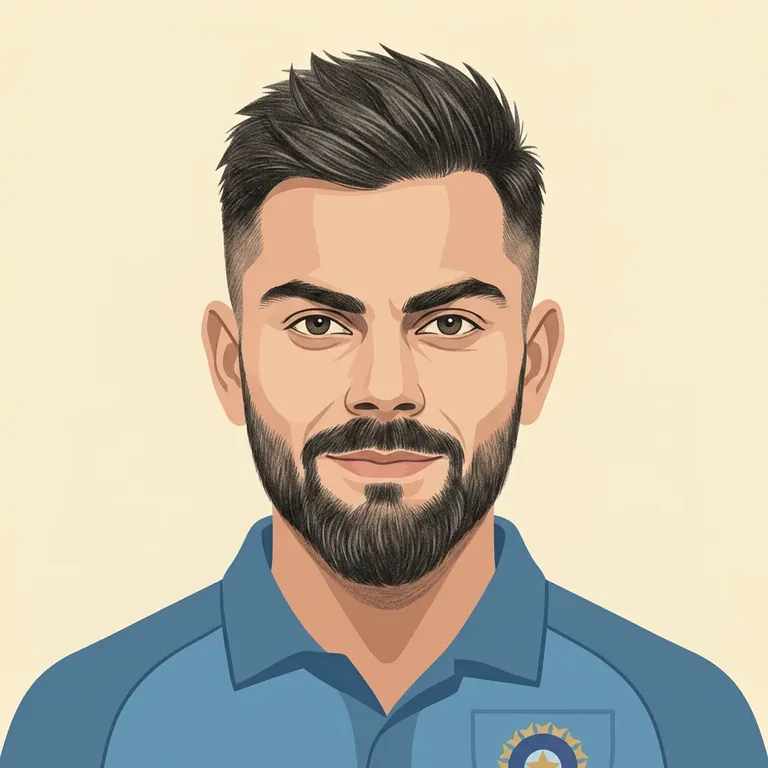
A Delhi boy who modernized Indian cricket's fitness culture, rewrote the ODI run-chasing rulebook, and turned himself into the most-marketed athlete India has ever produced.
Read Journey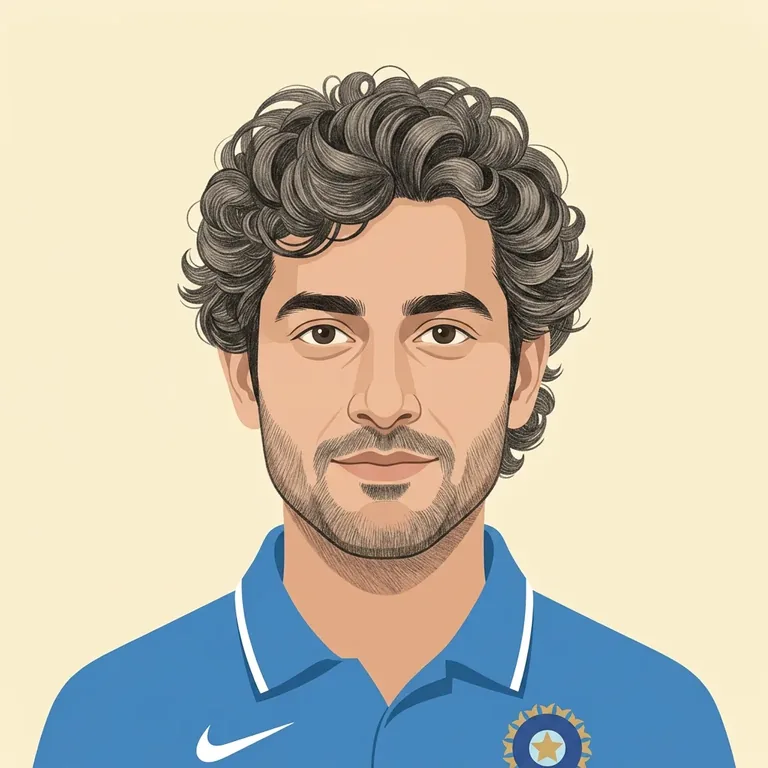
A Mumbai schoolboy whose talent was so obvious by 14 that the country built its cricketing expectations around him — and who delivered them for 24 years.
Read Journey
A pre-med kid from Mount Vernon who almost flunked out of college before finding theatre — and built one of the most uncompromising acting careers in American cinema by refusing to chase fashion.
Read Journey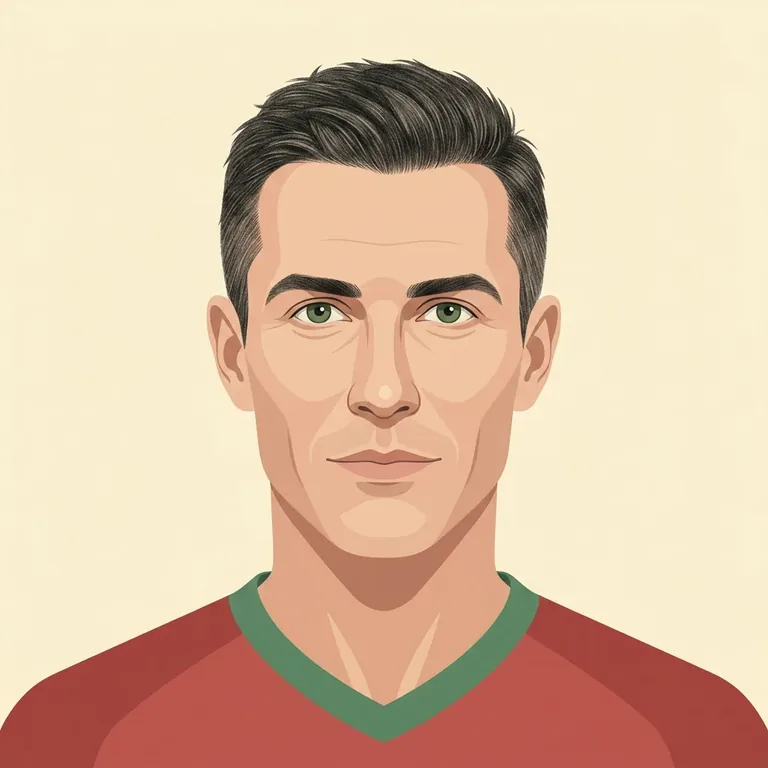
A Madeiran teenager who left home at 12 to chase football, became the most marketed athlete on earth, and built a career powered by training discipline that outlasted most of his contemporaries.
Read Journey
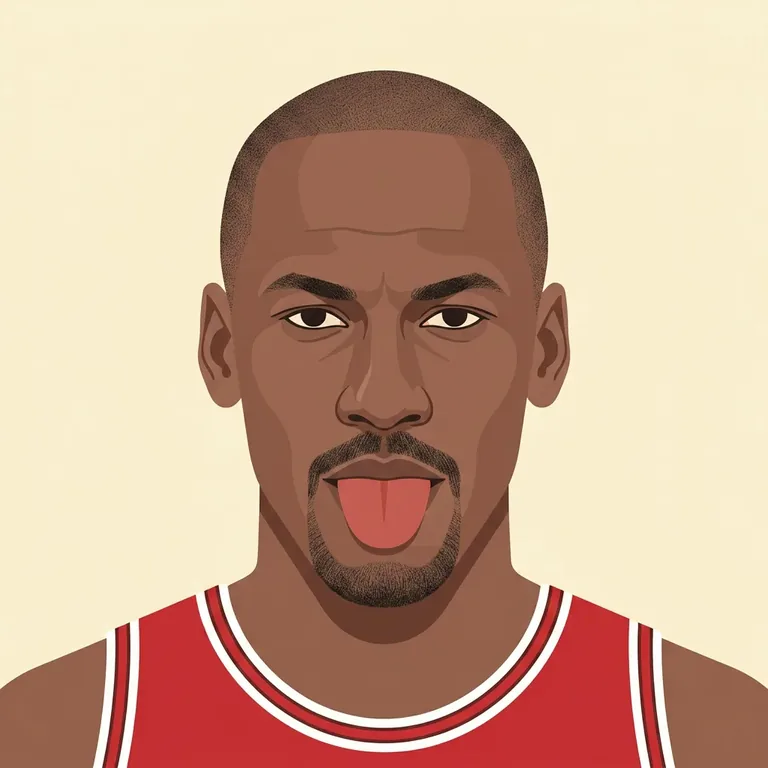

Champions who built dynasties through preparation, recovery, and relentless self-management — across tennis courts, basketball arenas, football pitches, and cricket grounds.
Open CollectionA two-year residency ended the week my savings did. The bar shifts that followed taught me what the studio never had to.
Read Story
Founder of Tesla & SpaceX
An obsessive engineer betting on rockets, electric cars, and the impossible — applying first-principles thinking at planetary scale.
Open Journey