Materials Craft
MasteredTreats aluminum, glass and plastic as expressive materials, not commodities.
How it developed
Childhood workshop hours with his silversmith father.
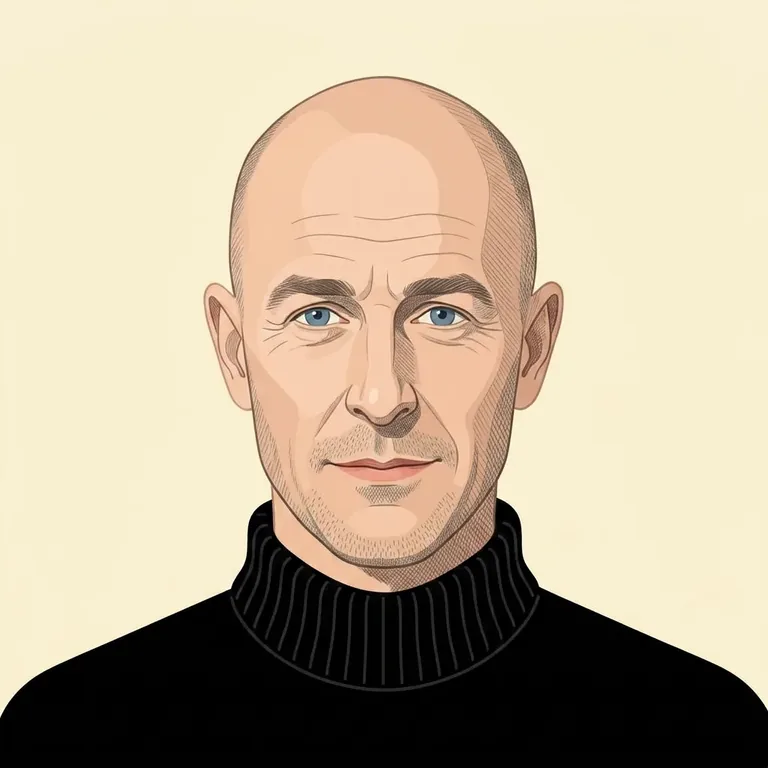
Designer of the iMac, iPod, iPhone.
A soft-spoken British industrial designer who turned a near-bankrupt Apple into the most valuable design-led company on earth — and then walked away to start over.
Every story has the highlights. This is the boring middle, the doubts, and the moments that quietly changed everything.
His father was a silversmith and design teacher who let him use the school workshop on weekends.
British design culture was undervalued in the 70s.
A childhood spent making physical things builds intuition no school can teach.
Won a student RSA travel award that took him to California and Silicon Valley for the first time.
British design jobs were scarce and underpaid.
Get on the plane; the world is smaller than industries claim.
London design consultancy serving clients including Apple, LG, and Ideal Standard.
Surviving a recession-era design market.
Consultancy work is a way to test partners before committing.
Hired by Robert Brunner; nearly quit before Jobs returned in 1997.
Apple was directionless and almost insolvent.
Stay close to the embers — sometimes the company is one leader away from the fire.
Took over Apple's design studio just before Jobs returned.
Designing under low budgets and corporate fatigue.
Quiet excellence is invisible until the right leader spots it.
Translucent, candy-colored — a friendly all-in-one that signaled Apple's return.
Manufacturing translucent plastic at consumer scale.
Materials science is product design when you push it to a new place.
Worked with Fadell's team to translate a hard drive into 'a thousand songs in your pocket.'
Compressing a Walkman replacement into the size of a deck of cards.
The best products are the simplest sentences.
Co-led the industrial design that defined the modern smartphone.
Designing a glass-fronted slab nobody wanted to drop.
Make the object disappear — let the content be the experience.
Apple flattened iOS under his direction after years of skeuomorphic design.
Re-aligning software design with hardware language across thousands of apps.
Visual systems are easier to break than to redesign at scale.
Took ownership of all design at Apple, including software, packaging and stores.
Operating at executive scale while staying close to materials.
Pull back from the sketch only when you can trust the room you've trained.
Co-designed Apple's $5B circular Cupertino campus with Foster + Partners.
Architecting a workplace as a design statement.
The environment around the team is part of the team's output.
Started a multidisciplinary studio with Marc Newson; Apple became the first client.
Returning to first-principles work after a corporate decade.
The best second chapter often begins by re-becoming an outsider.
Skills aren't talents — they're the residue of a thousand decisions. Here is what compounded over a lifetime.
Treats aluminum, glass and plastic as expressive materials, not commodities.
Childhood workshop hours with his silversmith father.
Removes elements until the object becomes inevitable.
Years apprenticing to Dieter Rams's design philosophy.
Translated industrial design into language engineers and operations could ship.
Decades partnering with Apple's hardware engineering leadership.
Built a small, deeply loyal studio that worked together for 25+ years.
Inherited Apple's design studio in 1996 and refused to grow it past intimacy.
Spent more time in Shenzhen factories than most operators.
Annual trips with Apple's operations team to design CNC processes alongside vendors.
Designed product films that explained the materials and intent.
Decades narrating Apple's launch videos personally.
No journey is a straight line. The setbacks weren't detours — they were the route.
First generation underperformed expectations as a fashion device.
Repositioned it as a health and fitness device; became the bestselling watch in the world.
First positioning is rarely right; the product can stay, the story can change.
Nearly quit in 1997 because Apple seemed terminal.
Stayed long enough to meet Jobs's second act.
Inflection points look like dead ends from inside.
First version of flat iOS was criticized for legibility and animation choices.
Iterated through iOS 8 and 9 to refine type, motion and color.
Software design systems need 2–3 versions to stabilize after a big reset.
The books on the shelf, the people they studied, the ideas they kept returning to.
Don Norman
Reference text since design school.
Dieter Rams
His acknowledged operating bible.
Kenya Hara
Japanese counterpart to his minimalism.
Leander Kahney
Authoritative biography of his Apple years.
Interviews, keynotes, talks, and documentaries — chosen for the moments that reveal how they actually thought.
The bets that, made differently, would have written a different life.
AI-distilled takeaways, sorted by who you are and what you're building toward.
Visit the factory before you draw the second sketch.
Hire people who give you back the version of yourself you wish you were.
The hidden surfaces of a product are where craftsmanship signals itself.
Intimacy is a craftsmanship multiplier; grow only as fast as trust scales.
Add to learn the problem; subtract to ship the solution.
The questions most people have after studying this life. Tap one — every answer is built from Jony Ive's own timeline, decisions, books, and lessons on this page.
Adjacent journeys, a collection that frames the craft, and one pick from a different world.
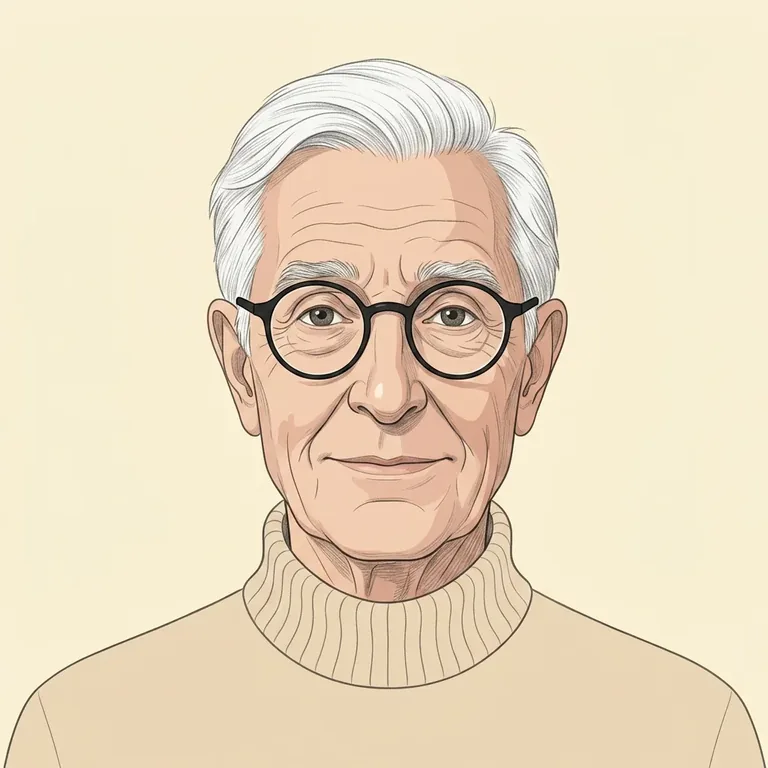
A German industrial designer whose 40 years at Braun produced a body of work so disciplined and reduced it set the visual language for modern consumer electronics — including the iPod and iPhone.
Read Journey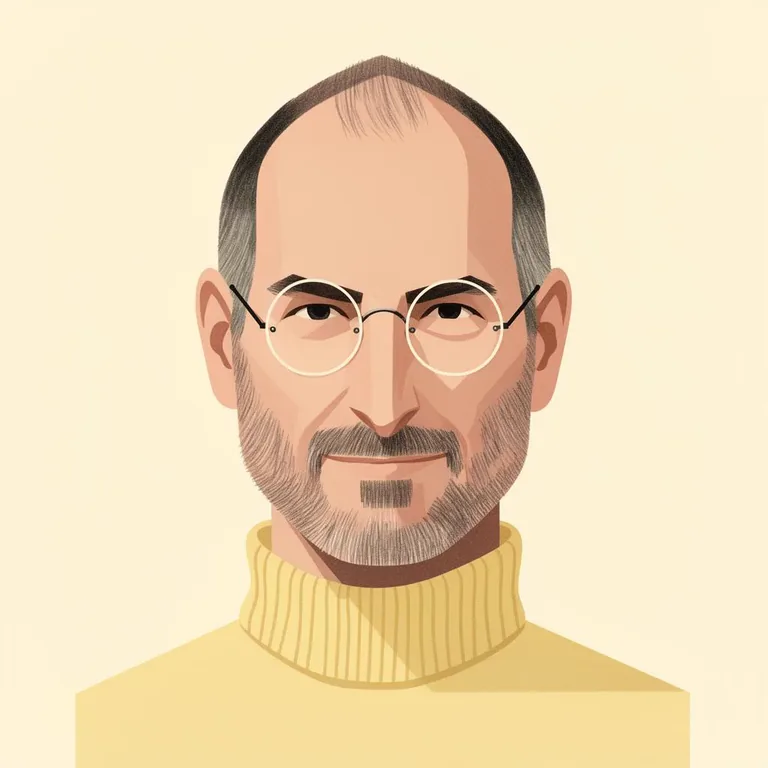
One of the most influential product visionaries in history — a relentless editor of ideas who insisted technology should feel human.
Read Journey
A hardware obsessive who built the iPod inside Apple, ran iPhone hardware engineering, and then walked away to reinvent the thermostat — proving the smart-home category in the process.
Read Journey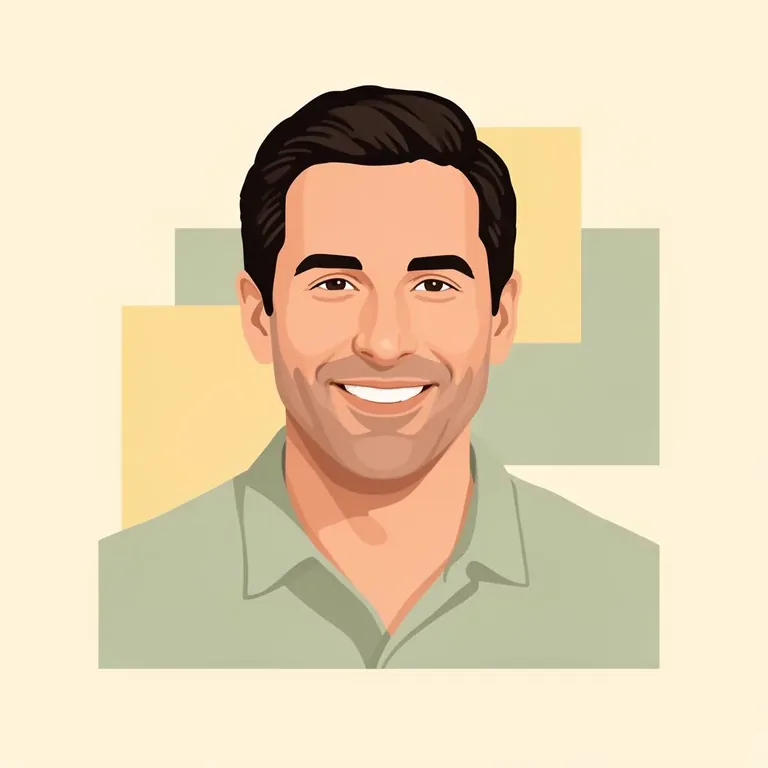
Three air mattresses and a designer's eye that turned strangers into hosts — a founder who treats hospitality as a craft and product as the story.
Read Journey
Taste as a leadership discipline. Founders and operators who used design culture as a competitive moat.
Open CollectionTwelve months of soft inquiries and no contracts. The fix wasn't a new portfolio site. It was admitting who I actually wanted to work with.
Read Story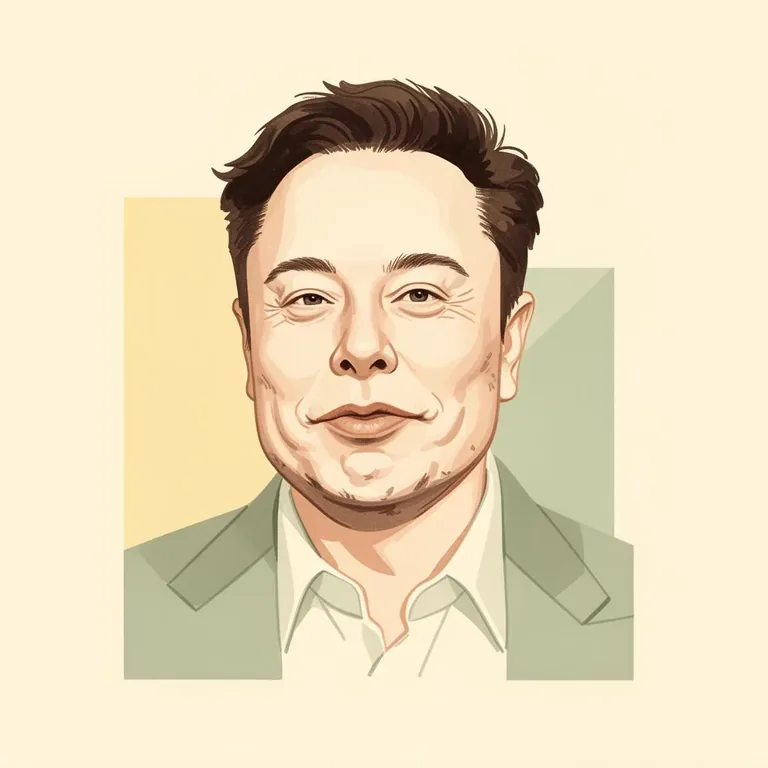
Founder of Tesla & SpaceX
An obsessive engineer betting on rockets, electric cars, and the impossible — applying first-principles thinking at planetary scale.
Open Journey