Product Vision
MasteredAn obsession with imagining what the customer would want before they could articulate it.
How it developed
Sharpened by 1,000 product reviews — pushing back, reframing, simplifying.
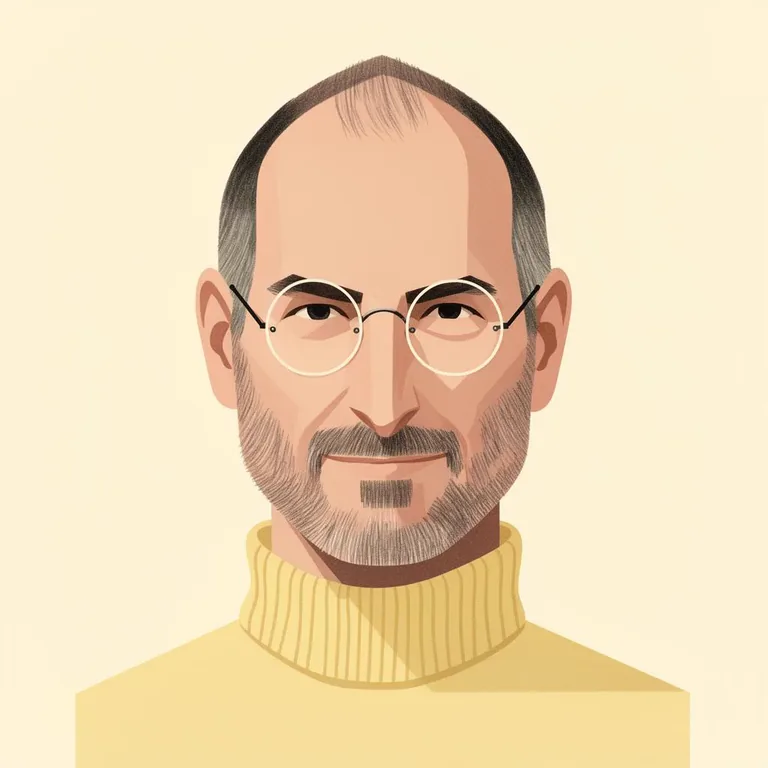
Co-founder of Apple.
One of the most influential product visionaries in history — a relentless editor of ideas who insisted technology should feel human.
Every story has the highlights. This is the boring middle, the doubts, and the moments that quietly changed everything.
Adopted by Paul and Clara Jobs and raised in the orchards that would later become Silicon Valley.
Grew up knowing he was adopted and carried a lifelong search for identity.
Your origin story is not your ceiling — it's raw material.
At 12, cold-called the HP co-founder for spare parts. Got the parts and a summer internship.
Had no credentials, no introduction, and no plan B.
Most people never ask. The world rewards the people who do.
Left after one semester but stayed on campus auditing calligraphy, dance, and Eastern philosophy.
No money, sleeping on friends' floors, returning Coke bottles for food.
Curiosity compounds. The dots only connect looking backwards.
With Wozniak and Wayne, sold the Apple I from the Jobs family garage in Los Altos.
Two engineers with no business experience trying to invent a market.
Pair a visionary with a builder. Neither succeeds alone.
After a power struggle with CEO John Sculley, the board sided against him and he resigned.
Publicly humiliated at 30, watching the company he started move on without him.
Getting fired traded the weight of success for the lightness of being a beginner.
Spent $5M on a graphics hardware company nobody wanted and turned it into a storytelling studio.
Burned through ~$50M of personal capital before Toy Story shipped.
Conviction is paying for the gap between what you see and what others see.
Came back as interim CEO with Apple 90 days from bankruptcy. Killed 70% of the product line in a week.
Saving a dying brand with a demoralized team and confused product strategy.
Focus is saying no to the hundred other good ideas.
Re-entered consumer electronics with a music player and a store that legalized digital music.
The music industry hated the internet and Apple had never shipped a category like this.
Solve a problem the incumbents are too afraid to name.
Combined a phone, an iPod, and an internet communicator into one device on stage at Macworld.
Building hardware, OS, and carrier deals simultaneously while keeping it a secret.
The biggest leaps come from collapsing categories, not extending them.
Resigned as CEO in August, handed the company to Tim Cook, and died of pancreatic cancer in October.
Building a company designed to outlive him.
Real legacy is the culture that keeps shipping after you're gone.
Skills aren't talents — they're the residue of a thousand decisions. Here is what compounded over a lifetime.
An obsession with imagining what the customer would want before they could articulate it.
Sharpened by 1,000 product reviews — pushing back, reframing, simplifying.
Turned product launches into theater that taught the audience why something mattered.
Rehearsed keynotes for weeks, rewriting opening lines until they felt inevitable.
Treated industrial design, software, and packaging as one continuous experience.
Studied Bauhaus, Braun's Dieter Rams, and Japanese craft.
Set a bar so high that team pride pulled them past their own limits.
Years of being told ideas were impossible — then watching teams ship them anyway.
Closed deals with record labels, carriers, and publishers that no one thought possible.
Practiced by walking away — using scarcity and conviction as leverage.
Believed A-players hire A-players and one great hire was worth fifty average ones.
Personally interviewed every candidate at NeXT and the early Apple revival.
No journey is a straight line. The setbacks weren't detours — they were the route.
Pushed a high-end machine that shipped late, cost $9,995, and was beaten by the cheaper Mac.
Moved to the Mac team and channeled the Lisa's GUI ideas into a winning product.
Price and timing are part of design.
Lost a board fight with CEO John Sculley after the Mac underperformed against expectations.
Founded NeXT and bought Pixar — both eventually carried him back to Apple.
The bottom of one chapter is often the foundation of the next.
Beautiful black cube workstation that sold fewer than 50,000 units in five years.
Pivoted NeXT to software, which Apple acquired in 1996 and rebuilt macOS on.
If the hardware fails, the ideas inside it can still win.
Stunning machine that died at retail because customers wouldn't pay for industrial art.
Killed it within a year and folded its philosophy into the iMac and Mac mini.
Beauty alone doesn't sell — utility has to come along for the ride.
The books on the shelf, the people they studied, the ideas they kept returning to.
Shunryu Suzuki
Shaped his views on focus and presence.
Paramahansa Yogananda
Re-read every year. The only book downloaded to his iPad 2.
Clayton Christensen
Justified his willingness to cannibalize Apple's own products.
Ayn Rand
Early reading that fueled his belief in individual conviction.
Ram Dass
Carried into his India trip in 1974. Shaped his minimalism.
Interviews, keynotes, talks, and documentaries — chosen for the moments that reveal how they actually thought.
The bets that, made differently, would have written a different life.
AI-distilled takeaways, sorted by who you are and what you're building toward.
Say no to a hundred good things to ship one great thing.
If you can't tell the story of the product, the product isn't done.
Surround yourself with the best work in every adjacent field.
Take the class no one tells you to take — the dots connect later.
It takes more iterations to remove than to add.
A-players want to work with A-players. Protect that standard.
The questions most people have after studying this life. Tap one — every answer is built from Steve Jobs's own timeline, decisions, books, and lessons on this page.
Adjacent journeys, a collection that frames the craft, and one pick from a different world.
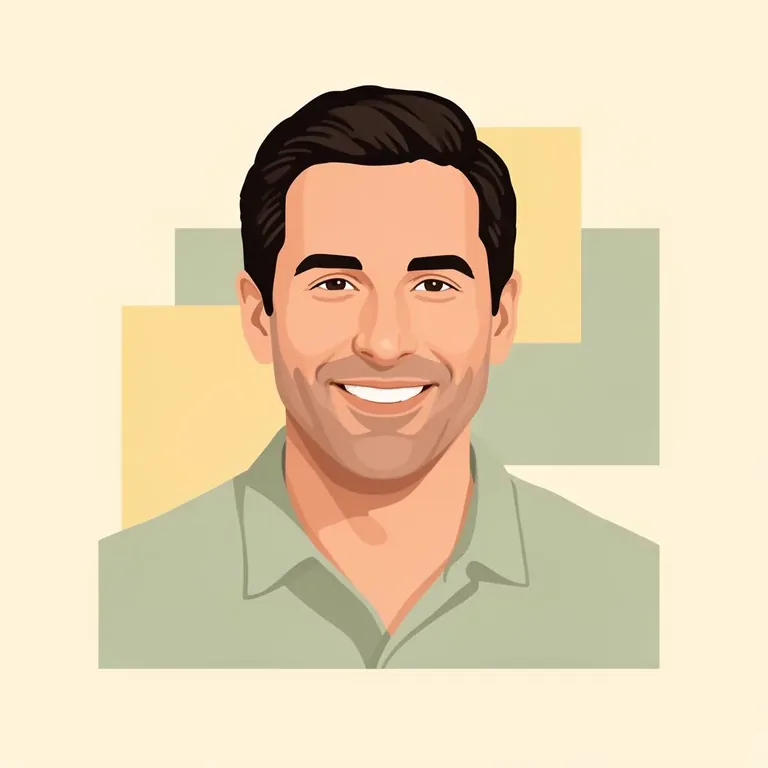
Three air mattresses and a designer's eye that turned strangers into hosts — a founder who treats hospitality as a craft and product as the story.
Read Journey
Teaching yearbooks in Perth that grew into a design tool for a billion people — proof that patient founders win the long game.
Read Journey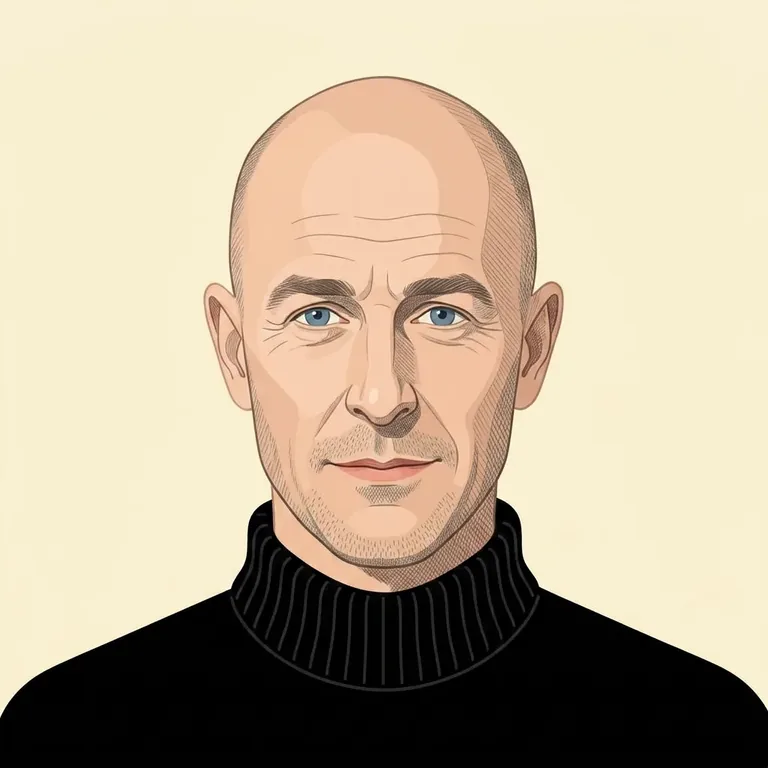
A soft-spoken British industrial designer who turned a near-bankrupt Apple into the most valuable design-led company on earth — and then walked away to start over.
Read Journey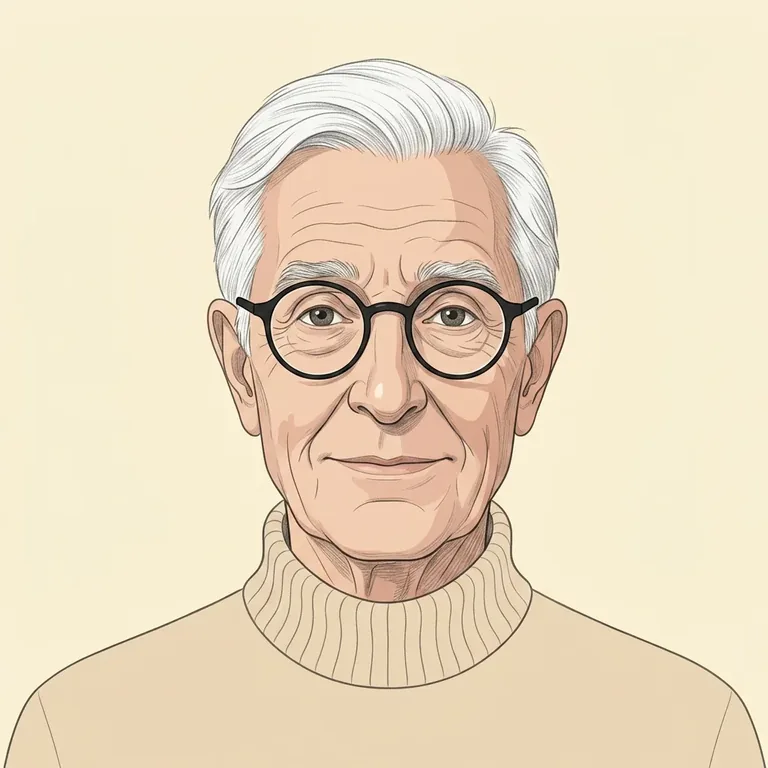
A German industrial designer whose 40 years at Braun produced a body of work so disciplined and reduced it set the visual language for modern consumer electronics — including the iPod and iPhone.
Read JourneyTaste as a leadership discipline. Founders and operators who used design culture as a competitive moat.
Open CollectionTwelve months of soft inquiries and no contracts. The fix wasn't a new portfolio site. It was admitting who I actually wanted to work with.
Read Story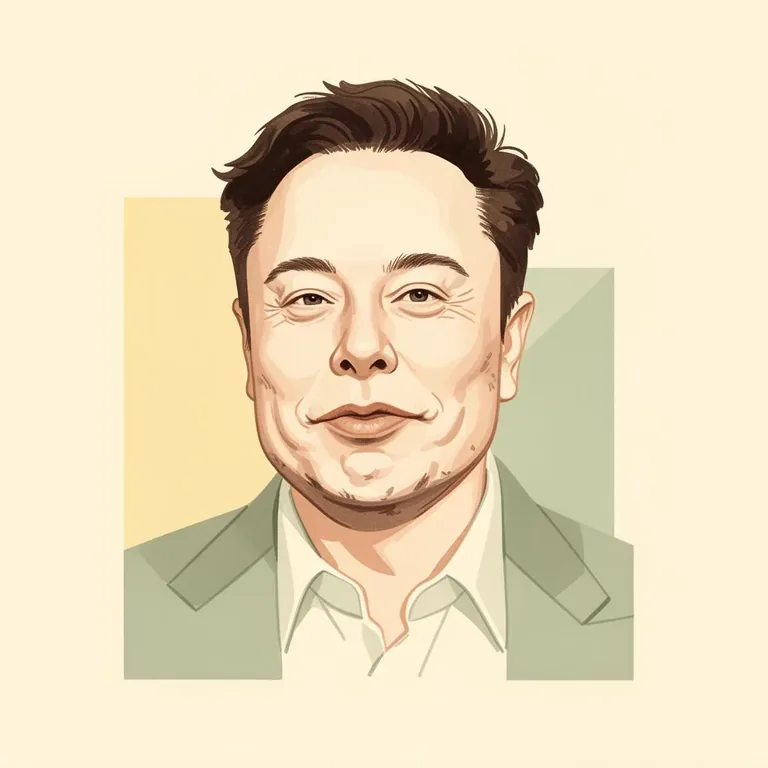
Founder of Tesla & SpaceX
An obsessive engineer betting on rockets, electric cars, and the impossible — applying first-principles thinking at planetary scale.
Open Journey