Sentence-Level Craft
MasteredConstructs sentences with the density of poetry; rewrites passages dozens of times.
How it developed
Years as an editor watching what failed sentences look like.
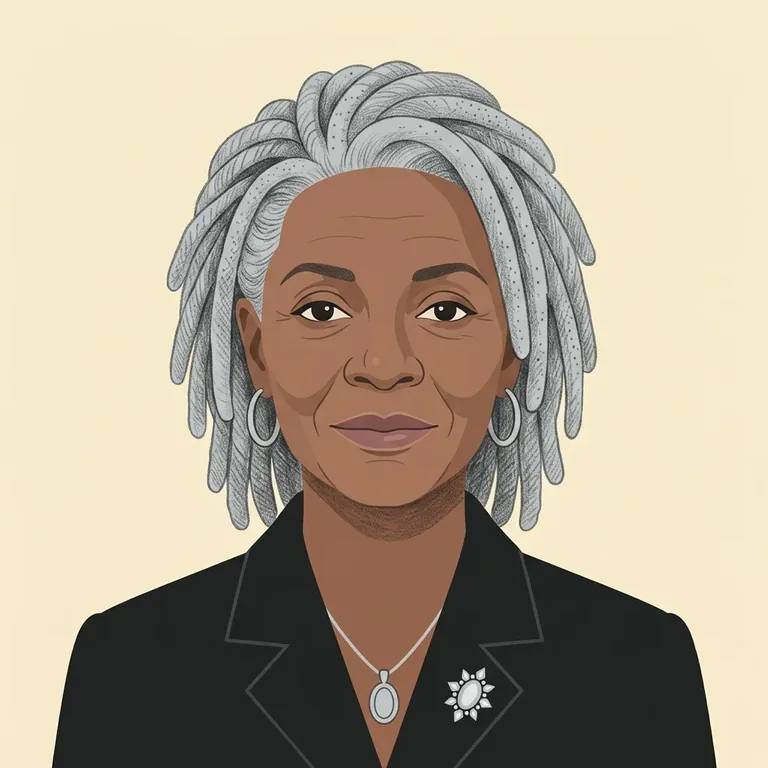
Nobel laureate, author of Beloved and Song of Solomon.
An editor at Random House who wrote her first novel before work in the early morning hours — and ended up rewriting the American literary canon and winning every major prize a writer can win.
Every story has the highlights. This is the boring middle, the doubts, and the moments that quietly changed everything.
Daughter of a welder and a domestic worker who told her ghost stories.
Growing up in a Depression-era integrated steel town.
Family storytelling is often the first writing training you get.
Studied English; nicknamed 'Toni' on campus.
Encountered the South's segregation for the first time touring with the Howard Players.
Geographic context changes what you understand about your own country.
Wrote her thesis on alienation in Faulkner and Virginia Woolf.
Mastering the white modernist canon while preparing to expand it.
You must read the canon you intend to rewrite.
Married, had two sons; the marriage ended in divorce in 1964.
Building a writing life as a single working mother of two.
Writing life adapts to family life; not the reverse.
Became a senior editor at the prestigious imprint; published Angela Davis, Toni Cade Bambara, Muhammad Ali, Gayl Jones.
Building a Black literary list inside a white institution.
Editors shape canons more than they're credited for.
Wrote it in early-morning hours while editing during the day.
Convincing publishers that there was an audience for literary fiction about Black girls.
Some markets you have to demonstrate exist before publishers will believe in them.
Second novel; nominated for the National Book Award.
Sustaining literary work while editing full time.
Two careers compound differently than either alone.
Established her as a major American writer.
Carrying a male protagonist after two women-centered novels.
Range as a writer is built across books, not within them.
Won the Pulitzer Prize the following year.
Writing about American slavery in a way the literary establishment had largely avoided.
Take on the subject your culture refuses to look at.
First Black woman to hold a named chair at an Ivy League university.
Adding a third career on top of writing and editing.
Late-career institutional positions create the stability that allows the boldest work.
First Black woman ever to win.
Carrying the weight of representation in her acceptance speech.
Speeches at the highest stages should be written with the next generation reading them.
Received the honor from President Obama.
Reconciling activism with literary craft over a six-decade career.
Politics and craft can coexist if neither colonizes the other.
Died at 88 after publishing essays and a final novel in her last decade.
Working through her eighties despite declining health.
A lifelong writing practice is the most reliable form of late-life vitality.
Skills aren't talents — they're the residue of a thousand decisions. Here is what compounded over a lifetime.
Constructs sentences with the density of poetry; rewrites passages dozens of times.
Years as an editor watching what failed sentences look like.
Recovers untold Black American stories through fiction grounded in archival research.
Editor's discipline of fact-checking applied to her own work.
Built the careers of writers she edited; treated editing as art, not service.
Random House years; Princeton workshops.
Spoke about race, gender, and American history with literary authority.
Nobel lecture as the codification of decades of essay-writing.
Wrote before dawn while raising two children alone.
Years of having no other available time.
Recovered earlier Black women writers — Zora Neale Hurston above all — and brought them back into print.
Editorial work she treated as cultural infrastructure.
No journey is a straight line. The setbacks weren't detours — they were the route.
First novel sold modestly and received mixed reviews.
Kept writing; later reread as a foundational text after Beloved's success.
First books are sometimes recognized only after later ones light them up.
1998 film adaptation underperformed despite Oprah Winfrey's championing.
Did not let film performance affect novel's reputation.
A book's identity should not depend on its movie.
Industry consolidation made her Black literary list harder to sustain.
Used the moment to pivot fully to writing and teaching.
When the institution stops supporting the work, the work has to relocate.
The books on the shelf, the people they studied, the ideas they kept returning to.
Toni Morrison
Her own critical work on race in American literature.
Ralph Ellison
Foundational text for the canon she rewrote.
Zora Neale Hurston
Predecessor she championed publicly when Hurston had fallen out of print.
William Faulkner
Studied for her Cornell master's; lifelong reference point.
Interviews, keynotes, talks, and documentaries — chosen for the moments that reveal how they actually thought.
The bets that, made differently, would have written a different life.
AI-distilled takeaways, sorted by who you are and what you're building toward.
Catalog your reading absences — your next book is likely in one of them.
Editing, mentoring, and teaching create the audience your next book needs.
Specificity is the path to universality.
Find the hour the day has not yet claimed.
Treat the books you ship as the canon you're building.
The questions most people have after studying this life. Tap one — every answer is built from Toni Morrison's own timeline, decisions, books, and lessons on this page.
Adjacent journeys, a collection that frames the craft, and one pick from a different world.

A Maine kid raised by a single mother who fished his discarded manuscript out of a trash can — and went on to publish more books than most authors read in a lifetime by treating writing as a job.
Read Journey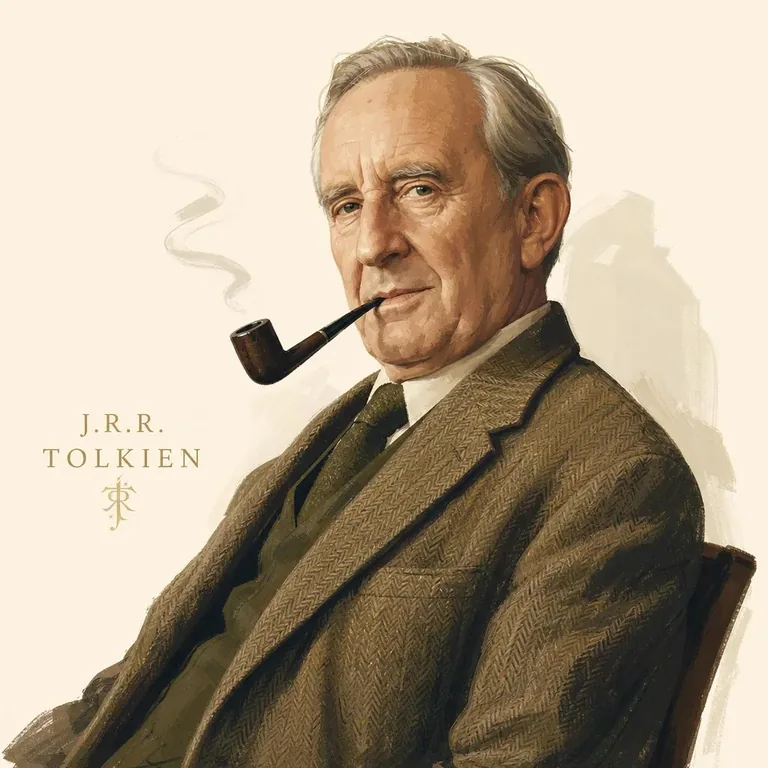
Invented languages first, then the world they would be spoken in — and proved that a single Oxford philologist, working evenings for forty years, could create the mythology a country didn't know it was missing.
Read Journey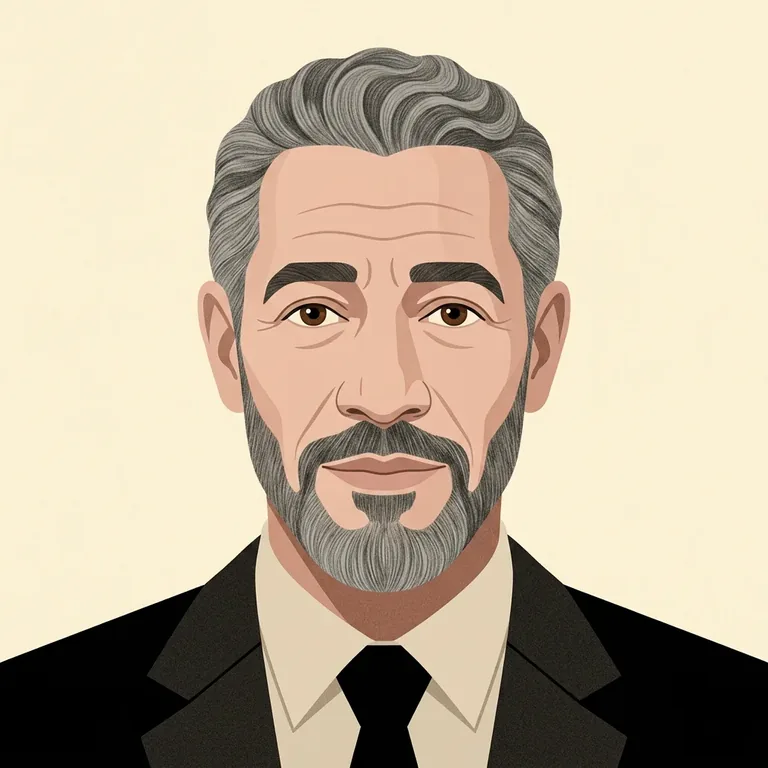
A pre-med kid from Mount Vernon who almost flunked out of college before finding theatre — and built one of the most uncompromising acting careers in American cinema by refusing to chase fashion.
Read Journey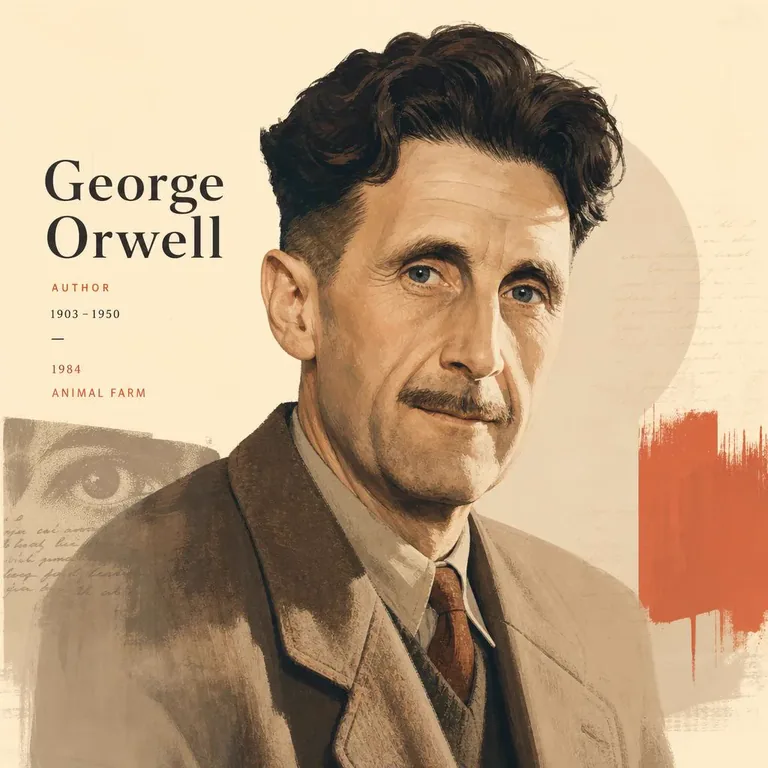
Turned every political compromise he refused — empire, fascism, Soviet apologism, sloppy English — into prose so plain it became permanent. Wrote two novels that named two centuries of authoritarianism.
Read Journey

Writers, directors and authors who built worlds readers and viewers refuse to leave. The craft of carrying an audience through a thousand pages or three hours of darkness.
Open CollectionFive years of submitting short fiction to magazines that mostly ignored me. The acceptance, when it came, was for the piece I almost didn't send.
Read Story
Co-founder of Canva
Teaching yearbooks in Perth that grew into a design tool for a billion people — proof that patient founders win the long game.
Open Journey