Real-time Graphics
MasteredInvented or productized BSP trees, surface caching, adaptive tile rendering, and binary-space partitioning at scale.
How it developed
Decades of reading SIGGRAPH papers and reimplementing every algorithm from scratch.
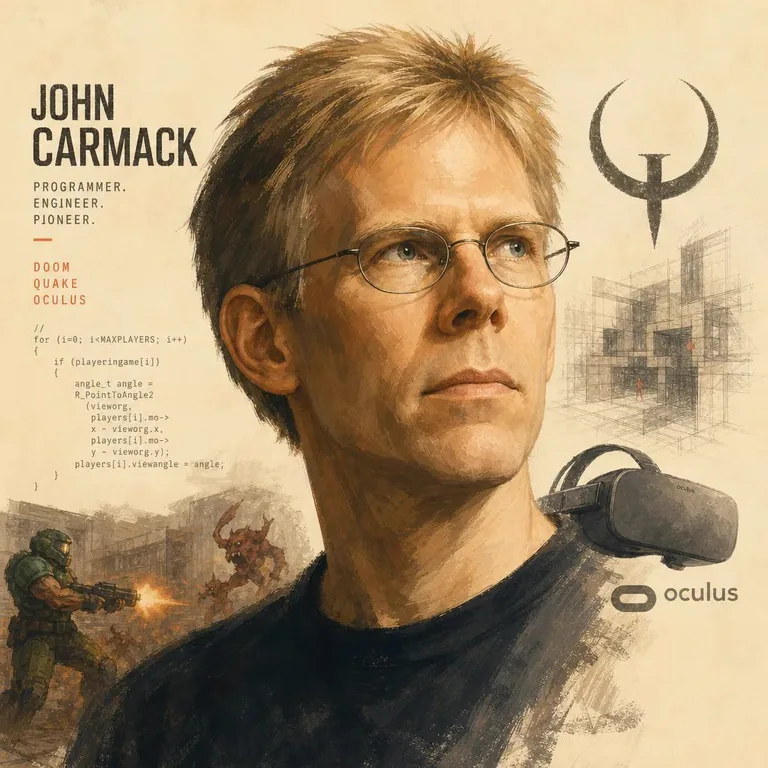
Programmer; Co-founder, id Software; ex-CTO, Oculus.
The programmer who shipped 3D gaming to the world, open-sourced his engines so the next generation could build on them, and then bet his second act on virtual reality and AGI — always optimizing for raw shipped code over status.
Every story has the highlights. This is the boring middle, the doubts, and the moments that quietly changed everything.
Father was a TV reporter, mother a school administrator; an early Apple II at age 10 set the trajectory.
No formal CS education available to a curious 1980s kid.
Manuals plus persistence beat curriculum every time.
At 14, broke into a school to steal Apple II computers; got a year in a juvenile home.
A felony at 14 that nearly closed off the conventional path.
The thing you can't stop doing is the thing you should be paid for.
Hired as a contract programmer; the team that would become id Software coalesced over weekend hacks.
Stuck producing low-rent monthly software for a magazine subscription.
Your day job pays for the side project that becomes your real life.
Quit Softdisk with Romero, Tom Hall, and Adrian Carmack to build PC games full-time from a Shreveport lake house.
Convincing distributors that shareware could be a real business model.
Distribution innovations matter as much as the product.
First true 3D action game on PC, distributed as shareware; spawned the first-person shooter genre.
Convincing the team to abandon the safer side-scroller they were good at.
Throw away the working thing to ship the better thing.
Networked deathmatch, BSP rendering, and a soundtrack that defined a decade; sold by direct download.
Real-time 3D on hardware that wasn't supposed to be capable of it.
Algorithmic insight beats hardware budget.
First fully 3D-polygonal multiplayer game with hardware-accelerated rendering; created esports and modding culture.
Eighteen months of grueling crunch and internal conflict with Romero.
Shipping eats friendships unless you protect them deliberately.
Released the source code under GPL, seeding Half-Life, Call of Duty, and a generation of modders.
Convincing the business that giving away the engine wouldn't kill sales.
Open source is the deepest distribution channel.
Self-funded rocketry company chasing the Lunar X Prize on weekends from a Texas hangar.
Aerospace doesn't share the iteration speed of software.
Hardware humbles you; do it anyway.
Met Palmer Luckey, became CTO, and ported Doom 3 to early prototypes that made VR feel real.
Leaving id to bet on a barely-functional headset from a teenager.
Follow the wave that excites you most, not the one you already conquered.
Stayed on as CTO through the platform's most formative years and the launch of Quest.
Working inside a large company after decades of small-team freedom.
Scale changes which problems are interesting; pick accordingly.
Stepped back to focus most of his time on artificial general intelligence research.
Walking away from VR right as Quest hit mass market.
Knowing when to leave is harder than knowing when to start.
Raised $20M to pursue AGI from first principles with a tiny team — same playbook as id.
Entering a field already dominated by billion-dollar labs.
Small teams with clarity outpace huge teams with politics.
Skills aren't talents — they're the residue of a thousand decisions. Here is what compounded over a lifetime.
Invented or productized BSP trees, surface caching, adaptive tile rendering, and binary-space partitioning at scale.
Decades of reading SIGGRAPH papers and reimplementing every algorithm from scratch.
Designed engines explicitly to be modded and ported — Quake ran on phones a decade after its release.
Hard-won lessons shipping six landmark game engines.
Treated every clock cycle as a moral obligation; rewrote inner loops in assembly when needed.
Constrained 1990s hardware forced micro-optimization as a discipline.
Refused to inherit architecture from prior engines; rebuilt the renderer from the ground up for each game.
Wolfenstein, Doom, Quake — three engines, three full rewrites.
His .plan files and tweet-storms became technical literature read across the industry.
Decades of writing devlogs and changelogs intended for other engineers.
Famous for 12-hour Diet Coke-fueled coding sessions with door closed.
Treated attention as a depletable resource and defended it ruthlessly.
Released engine source code after each generation, fueling Half-Life, CoD, and modern engines.
Believed knowledge compounds only when shared.
No journey is a straight line. The setbacks weren't detours — they were the route.
Personal split with co-founder John Romero damaged both their next decade.
Stayed focused on the engine work; eventually reconciled publicly years later.
Co-founder fights are real; don't let them outlive the company.
Self-funded rocketry company ran out of momentum without crossing milestones.
Wound down gracefully and applied the lessons to Oculus hardware work.
Pivot or pause before you burn out trying to force a market.
Technically dazzling but criticized for slow pacing and dark corridors.
Folded the criticism into Rage and later engine work.
Tech demos aren't games; remember the player.
Publicly criticized Meta's organizational drag while still inside the company.
Left on his own terms to pursue AGI rather than fight internal battles.
When the org stops shipping, the engineer should leave.
The books on the shelf, the people they studied, the ideas they kept returning to.
David Kushner
The definitive history of id Software and the Carmack/Romero dynamic.
Donald Knuth
Carmack has called Knuth the deepest influence on his engineering aesthetic.
Akenine-Möller et al.
He's recommended this as the canonical textbook for graphics programmers.
Richard Feynman
Modeled his first-principles temperament after Feynman's.
Neal Stephenson
The fictional ancestor of VR thinking he carried into Oculus.
Steve McConnell
Standard reference he's recommended to younger engineers.
Interviews, keynotes, talks, and documentaries — chosen for the moments that reveal how they actually thought.
The bets that, made differently, would have written a different life.
AI-distilled takeaways, sorted by who you are and what you're building toward.
Protect long blocks; multitasking corrodes the deep work that compounds.
Architectural sunk costs kill more startups than market timing.
Understanding without reimplementing is borrowed; it evaporates.
Giving away the engine grows the surface area faster than guarding it.
Output beats prestige in the long compound.
Headcount past a threshold buys politics, not progress.
Your devlog is a recruiting funnel and a future-self diary.
The questions most people have after studying this life. Tap one — every answer is built from John Carmack's own timeline, decisions, books, and lessons on this page.
Adjacent journeys, a collection that frames the craft, and one pick from a different world.
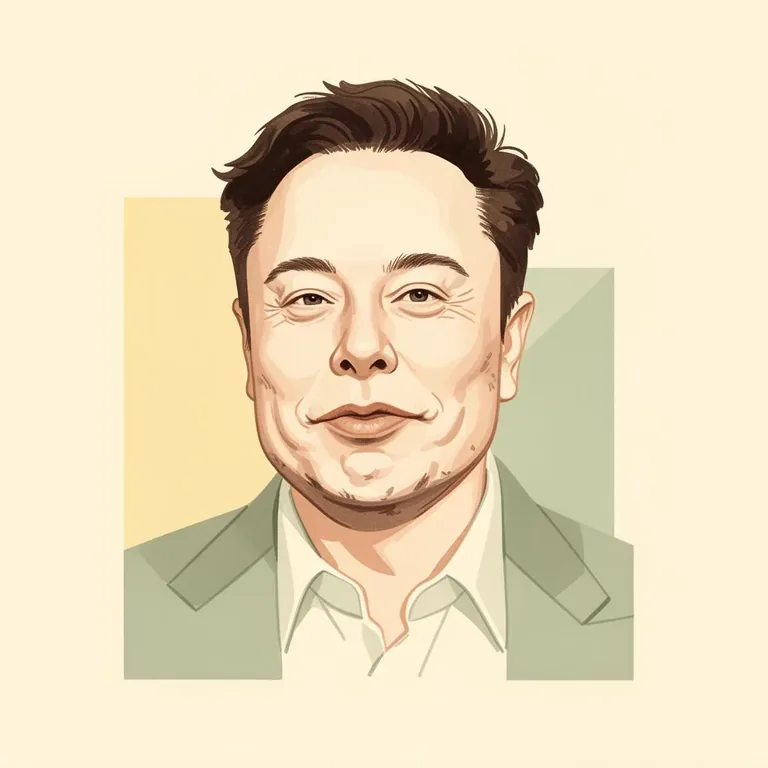
An obsessive engineer betting on rockets, electric cars, and the impossible — applying first-principles thinking at planetary scale.
Read Journey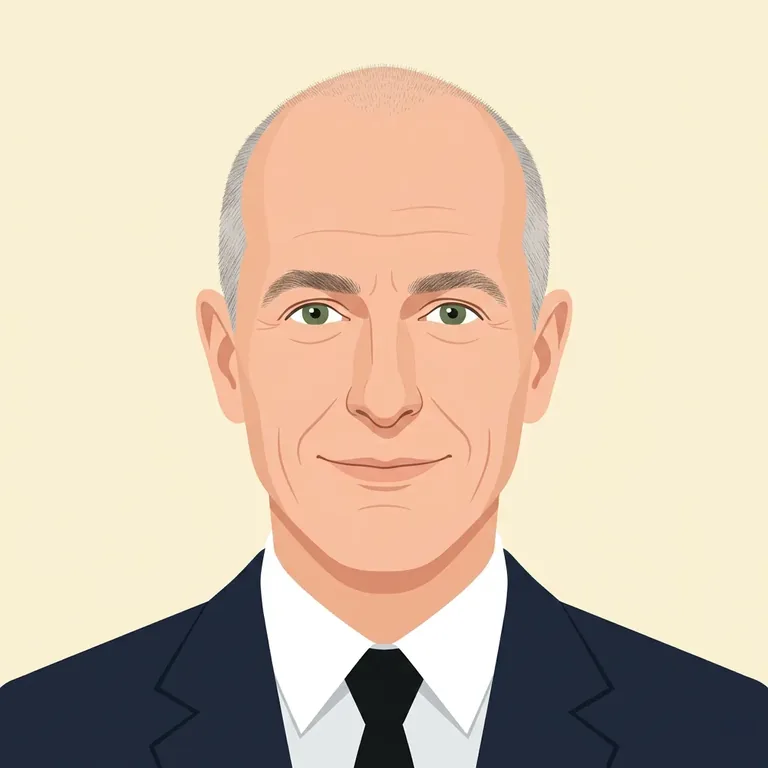
A hedge-fund quant who quit Wall Street to sell books out of a garage and ended up rewiring global commerce, logistics, and cloud computing around one obsession: the customer.
Read Journey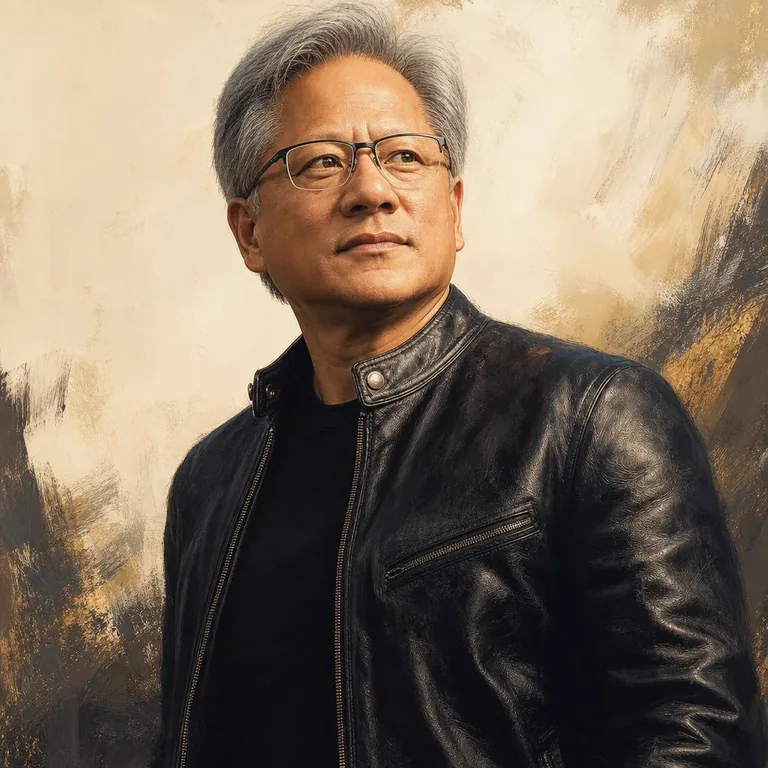
The Denny's busboy who bet thirty years on parallel computing — and turned a 1990s graphics card maker into the most strategically important company of the AI era.
Read Journey
An Indian-American founder who built AngelList into the operating system for early-stage startups, and whose tweets and podcasts have become a generational manual for wealth, judgment, and happiness.
Read Journey
Builders who turned a stubborn idea into a company. Study the persistence, the pivot, and the boring middle that no pitch deck ever shows.
Open CollectionA two-character fix to a README in 2018. Six years and three hundred PRs later, the project pays half my rent and most of my confidence.
Read StoryCo-founder of Canva
Teaching yearbooks in Perth that grew into a design tool for a billion people — proof that patient founders win the long game.
Open Journey