Compression Writing
MasteredDistills paragraphs into tweet-length statements.
How it developed
Years of editing his own writing publicly on Twitter.

Founder of AngelList, philosopher of wealth and happiness.
An Indian-American founder who built AngelList into the operating system for early-stage startups, and whose tweets and podcasts have become a generational manual for wealth, judgment, and happiness.
Every story has the highlights. This is the boring middle, the doubts, and the moments that quietly changed everything.
Moved to Queens, New York at age 9 with his mother and brother.
Immigrant childhood with little money and no family network.
Scarcity early often produces strong opinions about freedom later.
Studied computer science and economics; arrived in Silicon Valley after graduation.
Choosing a tech career as an outsider with no industry connections.
Two-discipline degrees outperform single-discipline ones in compound careers.
Consumer-review startup that raised major funding before the dot-com crash.
Surviving the bust with the team intact.
First startup teaches you what mistakes look like; the second teaches you what to avoid.
A founder-vs-investor dispute over a merger valuation became a cautionary tale.
Public conflict with former investors and co-founders.
Cap-table arithmetic and trust are the same conversation.
Built a marketplace connecting startups, angels, and talent.
Persuading investors to syndicate in public.
Open infrastructure beats closed networks once trust is the bottleneck.
Lobbied the SEC and Congress to allow online accredited fundraising.
Changing regulation in an industry built on private relationships.
Regulation is product surface; treat policy like UI.
A series of one-line essays on wealth and happiness reached millions.
Distilling a decade of operator thinking into 140 characters.
Compression is the highest leverage form of writing.
A 40-tweet thread on building wealth became one of the most-shared business essays of the decade.
Speaking publicly about taboo financial topics.
Speak the obvious truths nobody is willing to publish.
Became one of the most vocal early proponents of Bitcoin in venture.
Reputational risk in a still-skeptical Wall Street world.
Convictions are most useful before consensus arrives.
Handed CEO duties to Avlok Kohli; remained chairman.
Letting go of an operating role to focus on writing and investing.
Founders who release operating control early protect their long-term thinking.
Skills aren't talents — they're the residue of a thousand decisions. Here is what compounded over a lifetime.
Distills paragraphs into tweet-length statements.
Years of editing his own writing publicly on Twitter.
Decomposes wealth, status, and happiness into separate games.
Decades of reading philosophy, finance, and physics.
Designed two-sided marketplaces (Epinions, AngelList) where trust is the bottleneck.
Two decades of building network products.
Backed Uber, Twitter, Notion, and Postmates as an angel.
Pattern recognition from founder reps and AngelList syndicate data.
Practices daily meditation and reads from multi-disciplinary models.
Influenced by Eastern philosophy, Charlie Munger, and Nassim Taleb.
Builds intellectual capital by tweeting in public.
10+ year practice of refining ideas through audience feedback.
No journey is a straight line. The setbacks weren't detours — they were the route.
Public legal battle over Epinions' sale to eBay/Shopping.com.
Settled and channeled lessons into building AngelList with explicit founder protections.
Make incentives explicit at the cap table or be prepared for litigation.
Vertical search startup never reached escape velocity.
Sold remaining assets and consolidated focus on AngelList.
Discipline of killing your own underperforming startup is rarer than building a new one.
Several controversial takes on remote work, AI, and US politics drew waves of criticism.
Engaged the critique; clarified positions; kept posting.
Public thinking creates surface area for both leverage and attack.
The books on the shelf, the people they studied, the ideas they kept returning to.
Eric Jorgenson
Curated tweet and podcast highlights; closest thing to a Naval operating manual.
Yuval Noah Harari
Naval's most-recommended history book.
J. Krishnamurti
Influence on his views on desire and happiness.
Nassim Nicholas Taleb
Reinforced his framework on incentive design.
David Deutsch
Foundational text on knowledge and progress.
Interviews, keynotes, talks, and documentaries — chosen for the moments that reveal how they actually thought.
The bets that, made differently, would have written a different life.
AI-distilled takeaways, sorted by who you are and what you're building toward.
Build or buy assets; don't sell your time forever.
Follow obsessions; specific knowledge accumulates as a side effect.
Code and media compound while you sleep; capital requires asking.
Edit your essays until they become tweets, then test them in public.
Subtract sources of unhappiness before adding sources of pleasure.
Begin reading from interest, not duty.
The questions most people have after studying this life. Tap one — every answer is built from Naval Ravikant's own timeline, decisions, books, and lessons on this page.
Adjacent journeys, a collection that frames the craft, and one pick from a different world.

A hedge-fund quant who quit Wall Street to sell books out of a garage and ended up rewiring global commerce, logistics, and cloud computing around one obsession: the customer.
Read Journey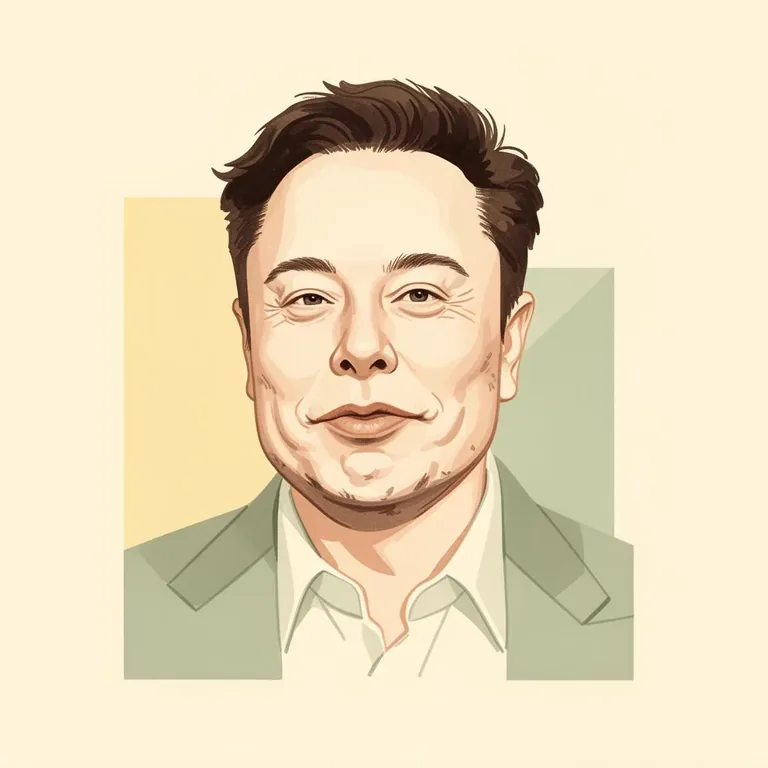
An obsessive engineer betting on rockets, electric cars, and the impossible — applying first-principles thinking at planetary scale.
Read Journey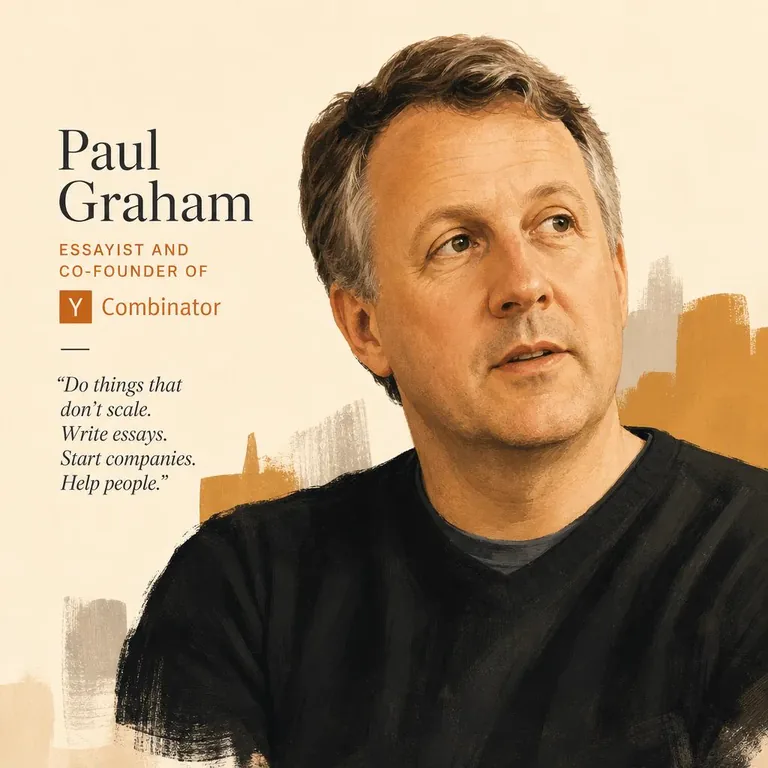
The programmer-essayist who invented modern startup investing — turning a Lisp-fueled hacker's worldview into Y Combinator and a body of essays that became the operating manual for two decades of founders.
Read Journey
An Omaha paperboy who turned a failing New England textile mill into the world's most patient compounding machine, and along the way wrote the most-quoted shareholder letters in business history.
Read Journey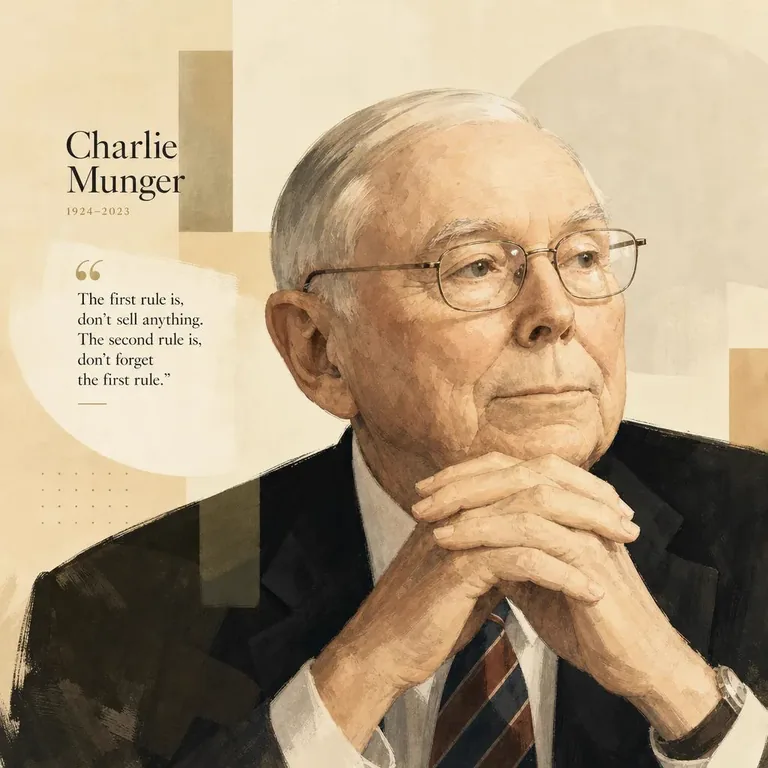
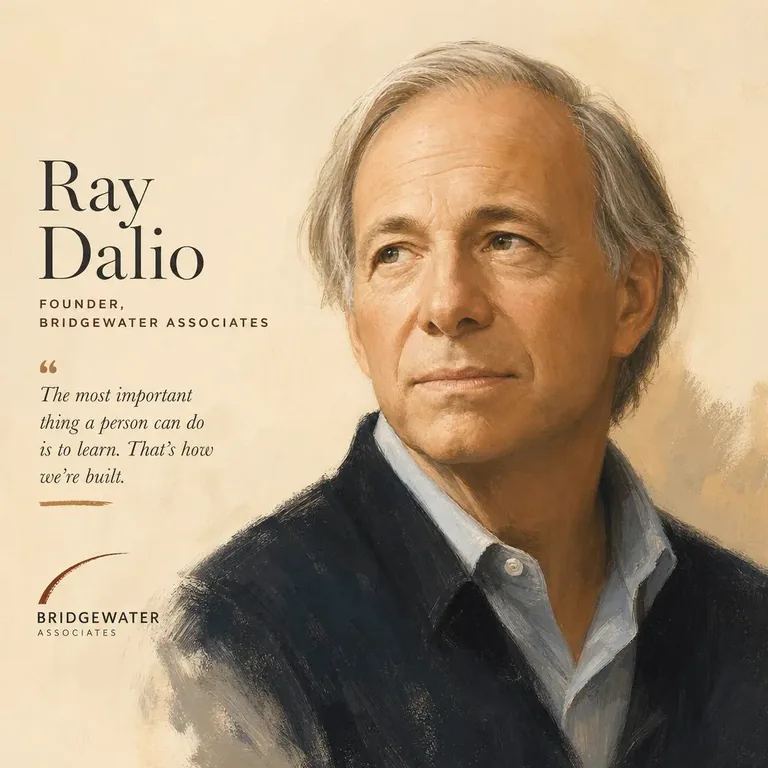
Capital allocators who treat investing as a craft of patience, judgment, and compounding — and rewrote the rules of how money is put to work.
Open CollectionFive years of submitting short fiction to magazines that mostly ignored me. The acceptance, when it came, was for the piece I almost didn't send.
Read Story
Co-founder of Canva
Teaching yearbooks in Perth that grew into a design tool for a billion people — proof that patient founders win the long game.
Open Journey