Essay Writing
MasteredDistilled complex startup wisdom into 2,000-word essays that stayed canonical for two decades.
How it developed
Decades of obsessive rewriting; every essay went through dozens of drafts.
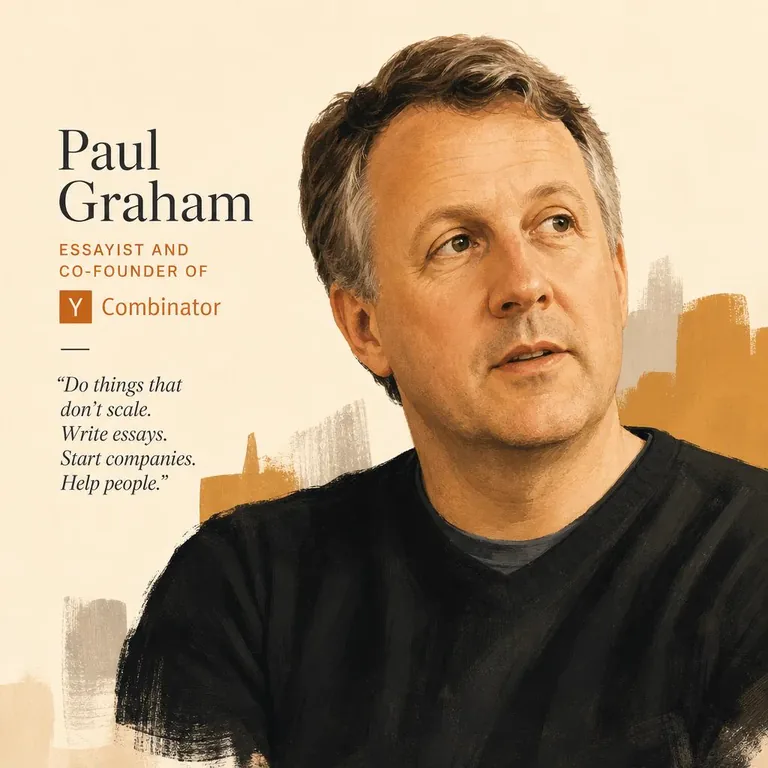
Essayist; Co-founder, Y Combinator.
The programmer-essayist who invented modern startup investing — turning a Lisp-fueled hacker's worldview into Y Combinator and a body of essays that became the operating manual for two decades of founders.
Every story has the highlights. This is the boring middle, the doubts, and the moments that quietly changed everything.
Family moved to Pittsburgh when he was a child; raised in a quiet academic household.
An immigrant kid in 1970s suburbia with no obvious peer group.
Outsider perspective is a structural advantage.
Switched from philosophy to computer science via art school detours.
No clear career track from philosophy.
The wandering years compound; trust them.
Studied with Guy Steele's circle; absorbed Lisp deeply.
Academia rewarded the wrong things for the future he wanted.
Pick the tools that fit the work, not the credential.
Took years off to paint at the Accademia di Belle Arti.
Reconciling artist's identity with engineer's skills.
Long detours sharpen the eye more than focused careers do.
Built the first web-based application — a store builder — written in Common Lisp.
Convincing customers and engineers that web apps were a category.
Ship the smallest provable version of your hypothesis.
Became Yahoo Store and gave Graham the capital and freedom to write and invest.
Letting go of a product still in its prime.
Liquidity is permission to play larger games.
Started with 'Beating the Averages' and 'Hackers and Painters'; built a cult following.
Writing for nobody for years before anyone read it.
Publish anyway; readers compound on archives, not new posts.
Funded the first batch of 8 startups with $20K each — a deliberate inversion of VC norms.
Convincing serious founders to take $20K and live in Cambridge.
When everyone says 'this is dumb,' you may have found the opportunity.
Early batches produced foundational consumer-internet companies.
Picking founders without a track record.
Bet on the founder's relentless resourcefulness; ideas pivot, character doesn't.
Famously asked if they had any persistence; the cereal-box story sold him.
Airbnb looked unfundable on paper — a couch-renting marketplace.
Determination is more legible than market sizing.
Essay became the standard reading for early-stage founders.
Compressing a decade of pattern recognition into one piece.
Write the essay you wish someone had handed you years earlier.
Handed leadership to Sam Altman and moved to England.
Walking away from the thing he had built into a brand.
Founders should leave before they have to.
Wrote 'How to Think for Yourself,' 'What I Worked On,' and other late-career pieces.
Staying relevant as the startup world moved on.
A writer's job is to keep writing; influence is a byproduct.
Skills aren't talents — they're the residue of a thousand decisions. Here is what compounded over a lifetime.
Distilled complex startup wisdom into 2,000-word essays that stayed canonical for two decades.
Decades of obsessive rewriting; every essay went through dozens of drafts.
Read founder traits from 10-minute interviews better than almost anyone else in venture.
Thousands of YC application reviews and interviews.
Built Viaweb in Common Lisp at a time when this was heresy; productivity edge gave a 5x lead.
Self-taught Lisp obsession starting in graduate school.
Identified founder archetypes (determined, flexible, naive optimist) before they had names.
YC batches as a labeled dataset across two decades.
Backed Airbnb, Dropbox, and Stripe when consensus called each one unfundable.
Trained himself to weight conviction by how dumb the bet sounded to peers.
Kept thinking about a problem for months until the essay wrote itself.
Refused to publish until the argument felt inevitable.
Funded small, hands-off, and trusted founders to figure out the rest.
Built YC's model on the assumption that founders know more than investors.
No journey is a straight line. The setbacks weren't detours — they were the route.
Late-2010s tweets on inequality and woke culture drew heavy criticism.
Returned focus to essays and stepped back from real-time discourse.
Real-time platforms punish the kind of nuance essays are made of.
First year sold to almost no merchants; nearly ran out of cash.
Doubled down on ease of use and a fanatic support model.
First customers come from the founder personally, not the funnel.
Passed on a number of companies that became unicorns.
Used the post-mortems to refine YC's interview heuristics.
Misses teach you more than hits; the hits all look obvious in retrospect.
Bet on Lisp as the future mainstream language; it remained niche.
Took the productivity lesson into Y Combinator's contrarian thesis.
Tool choice is a leverage decision, not a popularity contest.
The books on the shelf, the people they studied, the ideas they kept returning to.
Paul Graham
Collected essays that became required reading for early-2000s programmers.
Paul Graham
His technical book on advanced macros — the deep-end of his programming worldview.
Jessica Livingston
His wife's interview collection that informed YC's founder philosophy.
Peter Thiel
Companion thinking on contrarian startup theses.
Richard Dawkins
Shaped his thinking on memes and idea propagation.
Richard Feynman
The temperament he most admired and modeled.
Interviews, keynotes, talks, and documentaries — chosen for the moments that reveal how they actually thought.
The bets that, made differently, would have written a different life.
AI-distilled takeaways, sorted by who you are and what you're building toward.
Everything else is downstream of demonstrated demand from real users.
Plans pivot; the relentless founder finds the next plan.
Compression beats elaboration; the shorter the more useful.
A 2x productivity edge over four years is a different company.
Manual, embarrassing, hands-on work seeds every great compound.
The best startup ideas look like notes from the next decade.
If you can't write the argument, you don't have it yet.
The questions most people have after studying this life. Tap one — every answer is built from Paul Graham's own timeline, decisions, books, and lessons on this page.
Adjacent journeys, a collection that frames the craft, and one pick from a different world.

A hedge-fund quant who quit Wall Street to sell books out of a garage and ended up rewiring global commerce, logistics, and cloud computing around one obsession: the customer.
Read Journey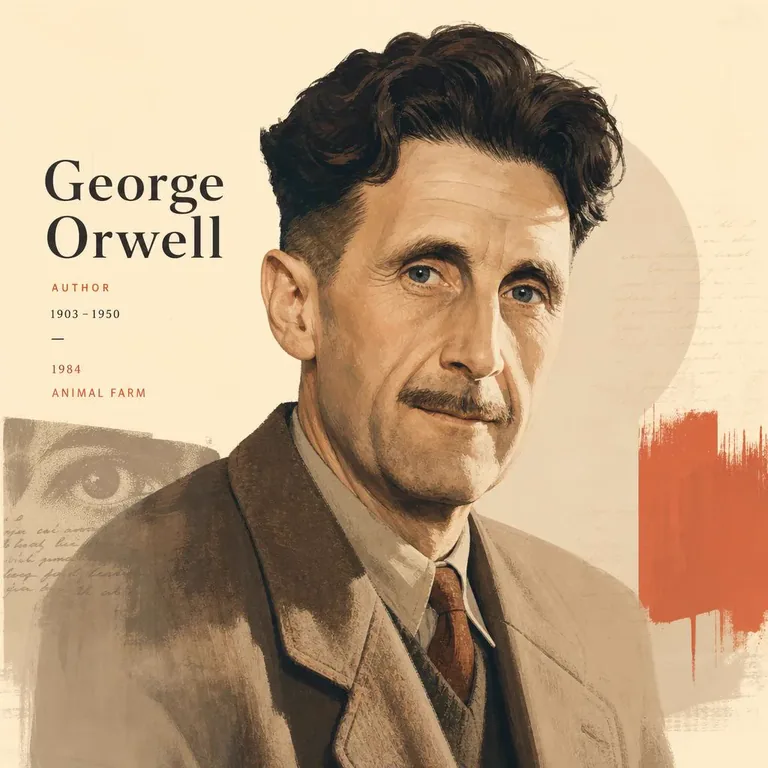
Turned every political compromise he refused — empire, fascism, Soviet apologism, sloppy English — into prose so plain it became permanent. Wrote two novels that named two centuries of authoritarianism.
Read Journey
An Indian-American founder who built AngelList into the operating system for early-stage startups, and whose tweets and podcasts have become a generational manual for wealth, judgment, and happiness.
Read Journey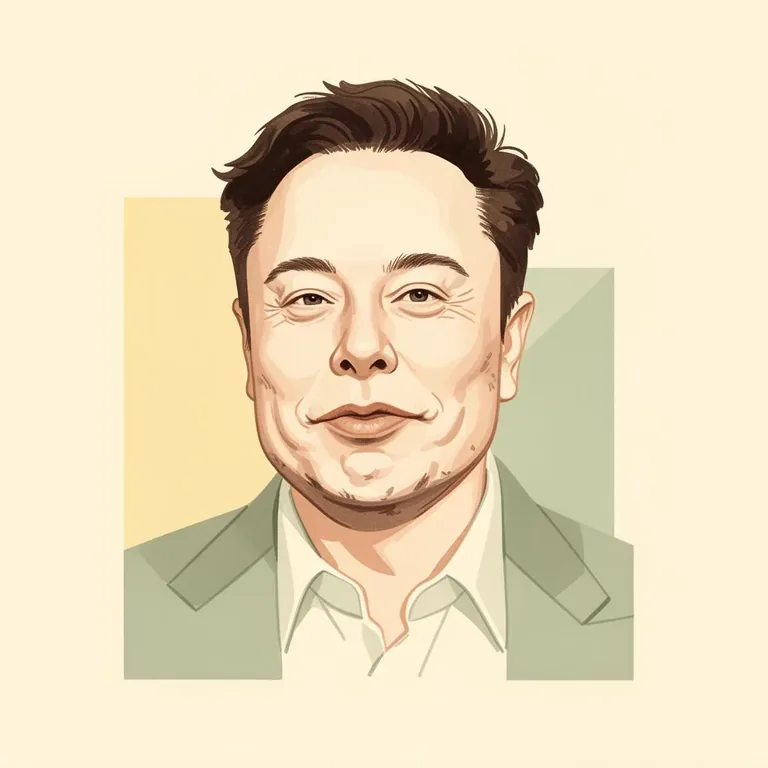
An obsessive engineer betting on rockets, electric cars, and the impossible — applying first-principles thinking at planetary scale.
Read Journey
Builders who turned a stubborn idea into a company. Study the persistence, the pivot, and the boring middle that no pitch deck ever shows.
Open CollectionThree years building a tool nobody asked for, financed by my parents' savings. The post-mortem was harder than the shutdown.
Read StoryCo-founder of Canva
Teaching yearbooks in Perth that grew into a design tool for a billion people — proof that patient founders win the long game.
Open Journey