Long-term Capital Allocation
MasteredPushed Tata into multi-decade bets like indigenous car manufacturing and global M&A.
How it developed
Twenty-one years as chairman conditioned him to think in five-year, not five-quarter, increments.
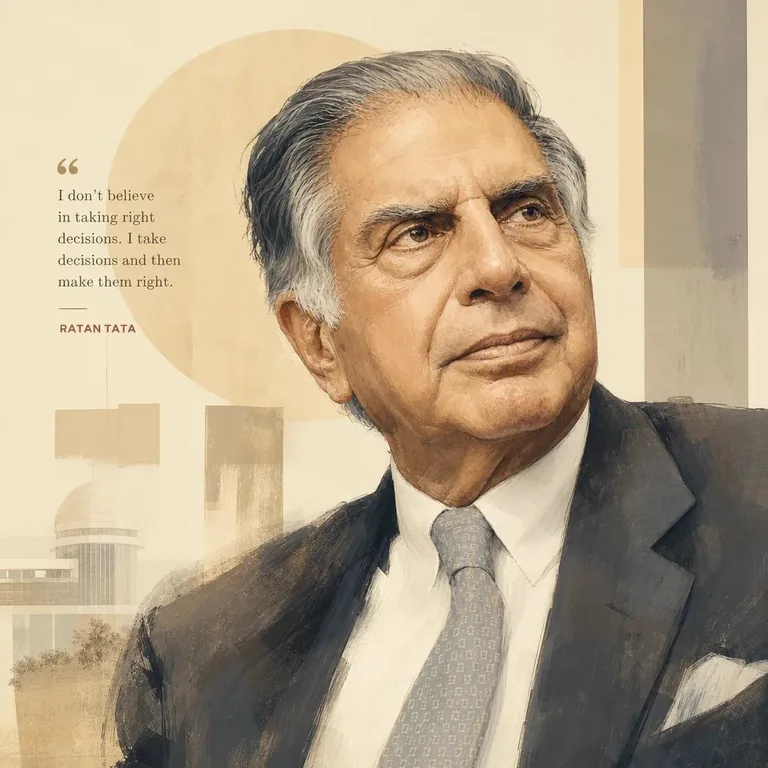
Chairman Emeritus, Tata Sons.
The quiet industrialist who took an aging family conglomerate and turned it into India's first true global corporation — acquiring Jaguar Land Rover, Tetley, and Corus while building the world's cheapest car.
Every story has the highlights. This is the boring middle, the doubts, and the moments that quietly changed everything.
Born into the Tata family but raised largely by his grandmother after his parents separated when he was 10.
An emotionally lonely childhood inside one of India's most public families.
Public lineage doesn't insulate private hardship. Both can coexist.
Came back from the US to join Tata Steel as a shop-floor blue-collar worker in Jamshedpur.
Working in extreme heat shoveling limestone in steel furnaces.
Heirs who skip the floor never understand the factory.
Given a failing consumer electronics company to fix; spent years trying and ultimately couldn't save it.
A first major operational test that the market environment doomed.
Some assignments are unwinnable. Learn what you can and move on.
Took over the group's incubation arm and began identifying technology bets for the Tata future.
Operating in license-raj India where new ventures faced years of regulatory delay.
Bet on the country you want, not the one you have.
Took over the parent company days before India's economic liberalization began.
Confronting entrenched satraps — chairmen of major Tata companies who treated their fiefdoms as personal.
New leadership is mostly about removing the people who block change.
Pushed through India's first indigenously designed passenger car despite engineering and skeptic resistance.
Built in a country with no modern passenger car design history; early quality was poor.
Confidence in domestic capability has to start with one product, even an imperfect one.
First major foreign acquisition; an Indian company buying a UK heritage brand made global headlines.
Convincing the Tata board to deploy unprecedented capital outside India.
The signal value of a single bold acquisition can outweigh the financial logic.
Bought the Anglo-Dutch steelmaker in a bidding war — making Tata Steel the world's fifth-largest producer.
Took on massive debt right before the 2008 financial crisis.
Big bets in cyclical industries can look heroic or reckless depending on the cycle.
Bought the two British luxury brands during the financial crisis when no one else would.
Skeptics called it Indian overreach into European luxury; JLR was bleeding cash.
Counter-cyclical M&A is where lasting wealth gets built.
Shipped the world's cheapest car after a public promise that he'd build a safe family car at that price.
Manufacturing chaos, factory relocation from Singur, and weak demand led to commercial disappointment.
A promise made publicly forces follow-through even when economics turn against you.
Handed the chairmanship to Cyrus Mistry per long-planned succession; retained chairmanship of Tata Trusts.
Letting go of operational control after 21 years.
Real leaders are measured by how peacefully they hand power over.
Came back after the board fired Mistry amid a public dispute, then helped install N. Chandrasekaran.
Navigating an ugly public legal and family conflict that lasted years.
Even cleanly designed succession can fail. Be ready to come back briefly to fix it.
Mourned across India as one of the country's most trusted industrialists; final years focused on Tata Trusts and startup investing.
Closing a life of public service while staying useful to the next generation.
Quiet ethics build a reputation that outlives every quarter's earnings.
Skills aren't talents — they're the residue of a thousand decisions. Here is what compounded over a lifetime.
Pushed Tata into multi-decade bets like indigenous car manufacturing and global M&A.
Twenty-one years as chairman conditioned him to think in five-year, not five-quarter, increments.
Refused bribes, walked away from a Tata Airlines license rather than pay, and reinforced an internal code of conduct.
Modeled on Jamsetji Tata's founding ethics and reinforced by Trust governance structures.
Promoted operators like N. Chandrasekaran from TCS and trusted technical leadership over family ties.
Watched the satrap problem destroy decision-making for decades and consciously chose merit.
Stayed publicly calm during the Mumbai 26/11 terror attacks at the Taj, the Nano controversy, and the Mistry firing.
Stoic temperament reinforced by decades of public scrutiny.
Made 'Tata' synonymous with trust, quality, and Indian global ambition.
Treated every group company as a steward of the parent brand, not an independent operator.
Famous for low-key dinners with junior engineers and the willingness to change direction based on what he heard.
Years on the Tata Steel shop floor and at NELCO that taught him technical conversation matters.
No journey is a straight line. The setbacks weren't detours — they were the route.
Tried to revive a struggling consumer electronics business through the worst years of the Indian license raj.
Eventually divested most of it and absorbed the lessons into his later strategic discipline.
Some businesses are killed by the environment, not the management.
The 'world's cheapest car' launched with massive hype but struggled with safety perceptions and commercial demand.
Used the engineering platform to develop subsequent Tata small cars; quietly discontinued the Nano by 2020.
A product can be a marketing triumph and a commercial failure simultaneously.
Forced to move the Nano plant from West Bengal to Gujarat after farmer protests and political opposition.
Built the Sanand plant in 14 months and shipped the Nano on time.
Political risk in emerging markets is a permanent line item, not a one-time event.
His chosen successor was fired four years in, triggering a multi-year public legal and reputational battle.
Returned as interim chairman, installed N. Chandrasekaran, and saw the Supreme Court rule in Tata's favor in 2021.
Cleanly designed succession still needs to be defended after the handover.
The $12B Corus deal loaded Tata Steel with debt right before the global financial crisis crushed steel demand.
Slowly restructured the European operations and sold non-core assets through the 2010s.
Mega-acquisitions in cyclicals require modeling the worst cycle, not the average one.
The books on the shelf, the people they studied, the ideas they kept returning to.
Peter Casey
Reported account of the modern Tata Group built around interviews with Ratan Tata.
Thomas Mathew
Authorized biography drawing on rare archival access.
R. Gopalakrishnan & Harish Bhat
The founding ethics text Ratan Tata pointed his executives toward.
Harish Bhat
Eight case studies inside the modern Tata Group — Indica, Indigo, Tetley, JLR, and more.
Interviews, keynotes, talks, and documentaries — chosen for the moments that reveal how they actually thought.
The bets that, made differently, would have written a different life.
AI-distilled takeaways, sorted by who you are and what you're building toward.
Execution converts uncertain decisions into right ones. Bias to action plus quality of follow-through.
Capital structures, talent pipelines, and brand promises should outlast you.
Inherited businesses survive by hiring better than themselves, not by trusting bloodlines.
The best information lives with the operators, not the consultants.
Refuse the bribe once and the reputation lasts a lifetime.
The Indian market is large but the Indian standard cannot be lower than the world standard.
Spend years on the shop floor before you take the corner office.
The questions most people have after studying this life. Tap one — every answer is built from Ratan Tata's own timeline, decisions, books, and lessons on this page.
Adjacent journeys, a collection that frames the craft, and one pick from a different world.
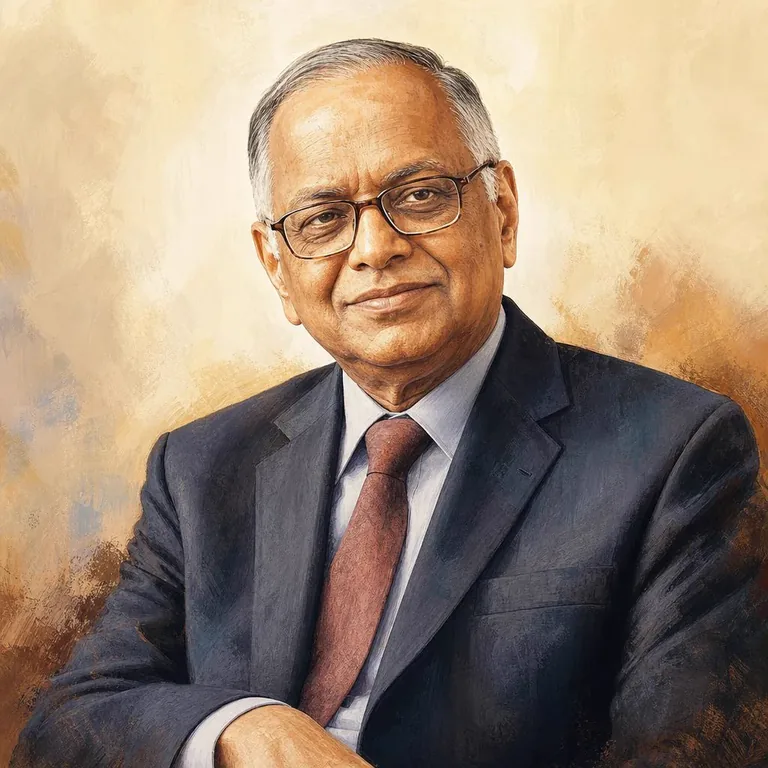
The socialist-turned-capitalist who founded Infosys with ₹10,000 from his wife's savings, ran it on a code of 'compassionate capitalism', and built the institution that proved Indian software belonged on the world stage.
Read Journey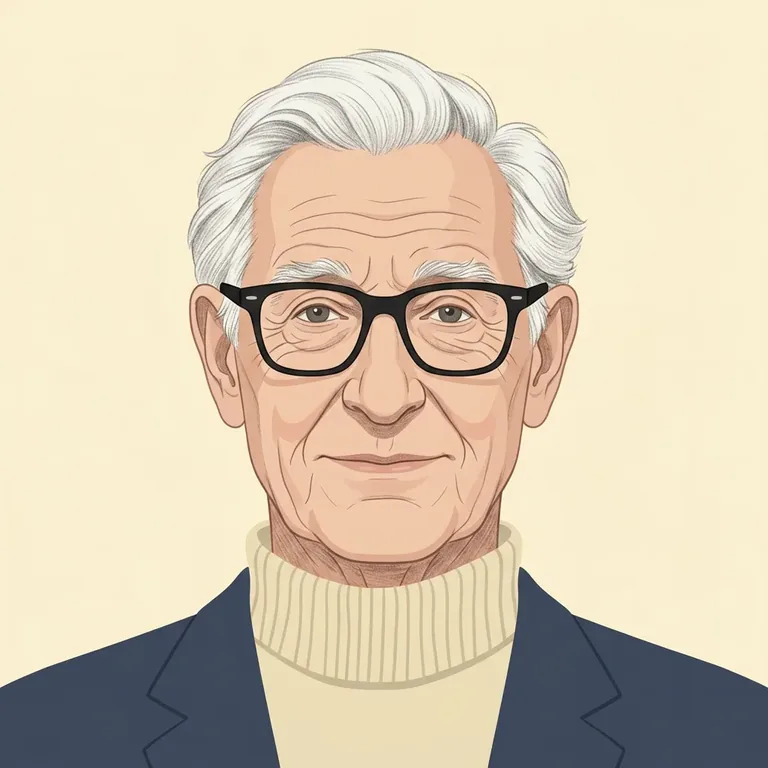
An Omaha paperboy who turned a failing New England textile mill into the world's most patient compounding machine, and along the way wrote the most-quoted shareholder letters in business history.
Read Journey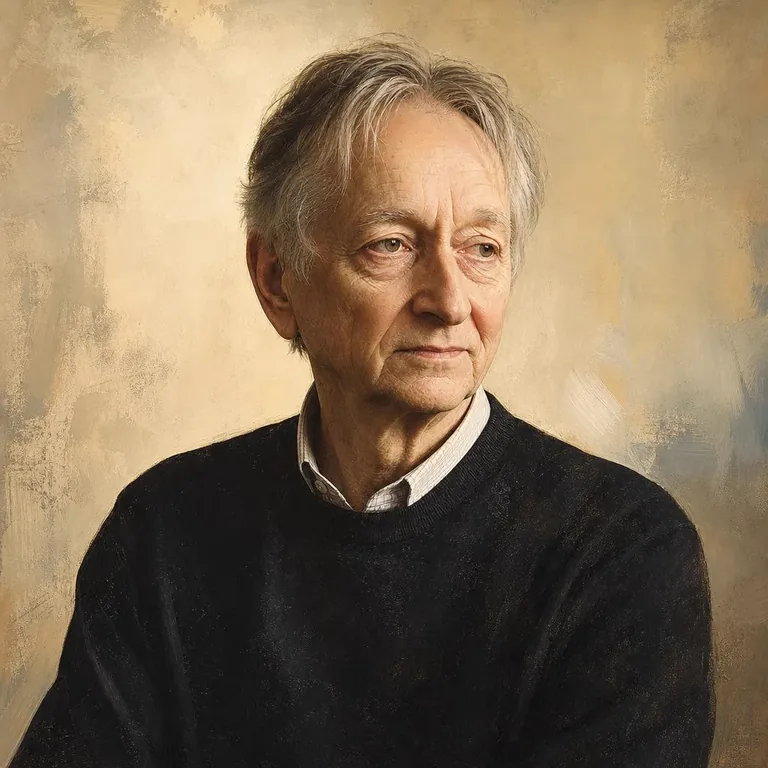
The cognitive scientist who spent forty years insisting that neural networks would work — through two AI winters, one Nobel Prize, and a final-act warning that they now might work too well.
Read Journey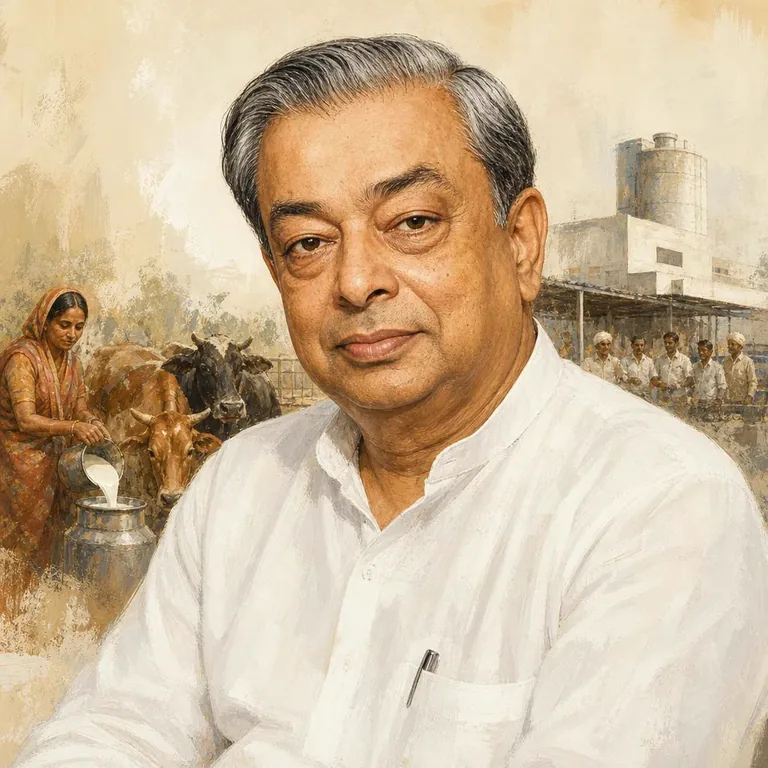
The engineer who turned India from a milk-deficient country into the world's largest milk producer — by handing the dairy back to the farmers who actually milked the cows.
Read Journey
Founders who were fired, rejected a hundred times, or three failed launches from bankruptcy — and the route they took back.
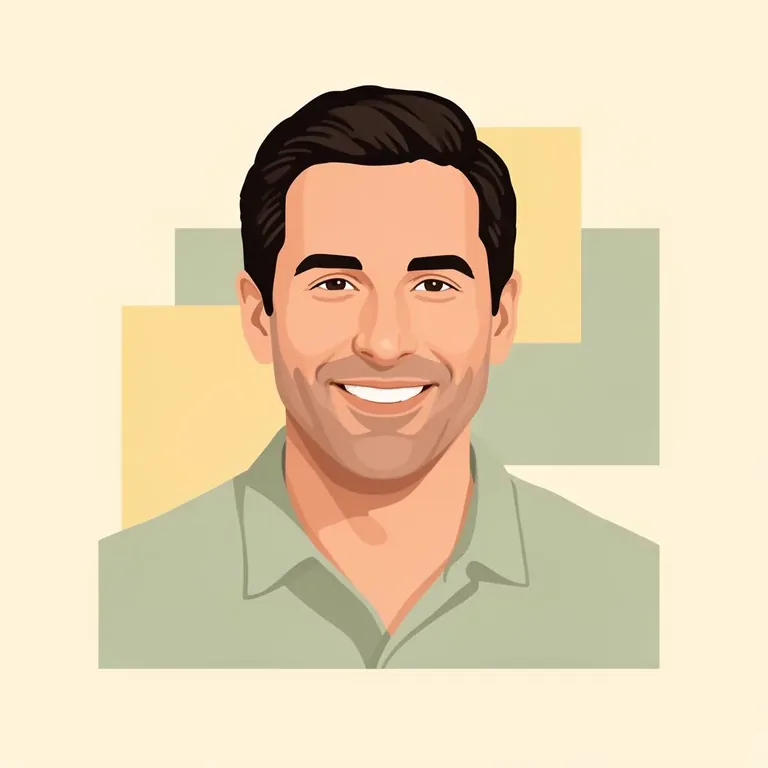
Open CollectionCo-founder of Airbnb
Three air mattresses and a designer's eye that turned strangers into hosts — a founder who treats hospitality as a craft and product as the story.
Open Journey