Experimental Persistence
MasteredProcessed tons of pitchblende by hand to isolate fractions of a gram of radium.
How it developed
Years of methodical fractional crystallization with Pierre.
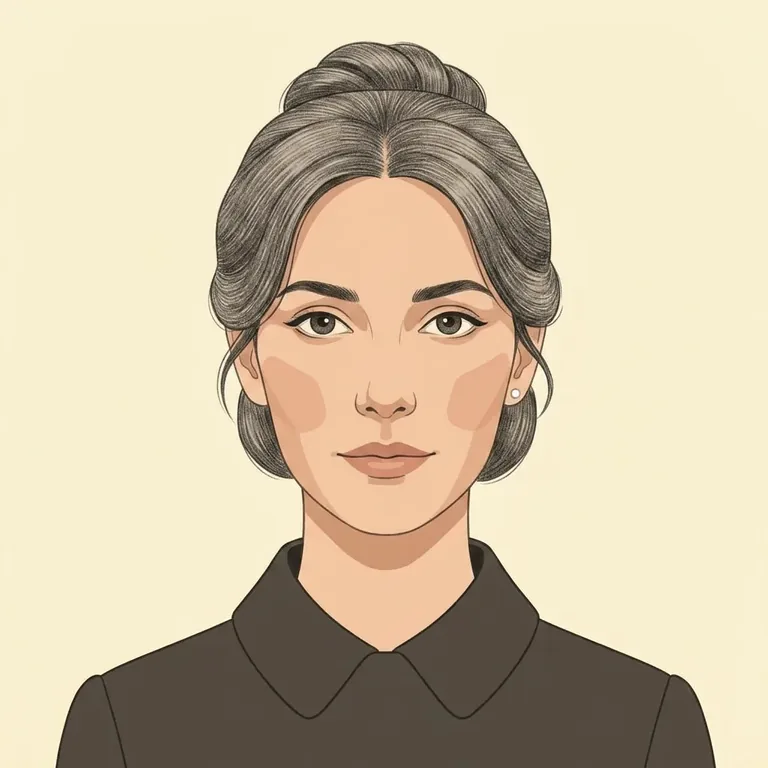
Two-time Nobel laureate; pioneer of radioactivity.
A Polish-born scientist who walked across Europe to study physics, discovered two new elements, won Nobel Prizes in two different sciences, and pushed open the door for every woman scientist who came after her.
Every story has the highlights. This is the boring middle, the doubts, and the moments that quietly changed everything.
Daughter of two teachers in Russian-occupied Poland; lost her mother to tuberculosis at age 10.
Polish education denied women university admission.
Restrictions on access often produce the most determined autodidacts.
Studied secretly with other women in Warsaw's clandestine higher-education network.
Risk of arrest under Russian rule.
Where official channels close, parallel institutions form.
Followed her sister Bronisława to Paris and enrolled at the Sorbonne with almost no money.
Survived winters in a Paris attic eating bread and tea.
Education is a multi-year investment that begins with willingness to be uncomfortable.
Became the first woman to earn a physics degree from the Sorbonne.
Studying in French as a second language.
Outsiders who outwork insiders compound recognition over time.
Married physicist Pierre Curie, who shared her lab work and life.
Choosing a partnership of equal collaboration in an era that didn't allow it.
Pick a partner who multiplies your work rather than competes with it.
Isolated two new elements by hand-processing tons of pitchblende ore.
Years of manual chemistry in a leaky shed laboratory.
Major discoveries often require physical labor no apprentice will do for you.
Shared with Pierre and Henri Becquerel for the discovery of radioactivity.
Nobel committee initially considered awarding only the men; Pierre intervened.
Recognition has to be lobbied for even after the work is done.
Took over Pierre's Sorbonne chair, becoming the first woman professor in the university's history.
Raising two daughters as a widow while running a major research program.
Personal catastrophe doesn't pause the research; the work becomes the continuity.
Sole recipient for the discovery of polonium and radium and the isolation of pure radium.
Personal scandal over an affair with Paul Langevin nearly derailed the award.
Public scrutiny falls harder on women in science; do the work anyway.
Designed and drove 'petites Curies' — vehicles equipped to image battlefield injuries.
Operating across active battlefields with her daughter Irène.
Apply the discovery to the world's most urgent problem in your lifetime.
Met President Harding and received a gram of radium for research.
Public attention exhausted her introverted temperament.
Fundraising is the price of running an independent research program.
Decades of unprotected radium handling caused fatal blood disorder.
Her notebooks remain too radioactive to handle without lead today.
Working at the frontier carries unknown costs that show up generations later.
Skills aren't talents — they're the residue of a thousand decisions. Here is what compounded over a lifetime.
Processed tons of pitchblende by hand to isolate fractions of a gram of radium.
Years of methodical fractional crystallization with Pierre.
Performed groundbreaking work in both physics and chemistry.
Self-study at the Flying University and structured study at the Sorbonne.
Traveled internationally to fundraise for the Radium Institute.
Forced into the role after Pierre's death.
Trained the next generation of women in physics including her daughter Irène.
Built the Radium Institute around a teaching-research model.
Founded research institutes in Paris and Warsaw.
Lobbied governments and donors for decades to secure funding.
No journey is a straight line. The setbacks weren't detours — they were the route.
Voted down for membership by one vote despite two Nobel Prizes.
Kept publishing; the Academy admitted women decades later.
Institutional gatekeepers can lag the work by a generation.
Press coverage of an affair with a married colleague threatened her Nobel acceptance.
Traveled to Stockholm to accept anyway; refocused on the institute.
Public scandal is shorter-lived than the work you continue doing.
Decades of exposure caused fatal blood disorder.
Pioneered radiation-safety standards too late for herself but in time for her successors.
Frontier work demands documenting hazards even as you discover them.
The books on the shelf, the people they studied, the ideas they kept returning to.
Marie Curie
Her biography of her husband and scientific partner.
Ève Curie
Definitive biography by her younger daughter.
Lauren Redniss
Illustrated biography of the partnership.
Barbara Goldsmith
Modern scholarly biography emphasizing the human cost.
Interviews, keynotes, talks, and documentaries — chosen for the moments that reveal how they actually thought.
The bets that, made differently, would have written a different life.
AI-distilled takeaways, sorted by who you are and what you're building toward.
Frontiers open when measurement opens — chase the new tool.
Build something that will run after you stop.
Refuse patents when the public-good upside is large.
Train the people who'll take the field further than you can.
Show up to the laboratory before anyone notices you're there.
The questions most people have after studying this life. Tap one — every answer is built from Marie Curie's own timeline, decisions, books, and lessons on this page.
Adjacent journeys, a collection that frames the craft, and one pick from a different world.
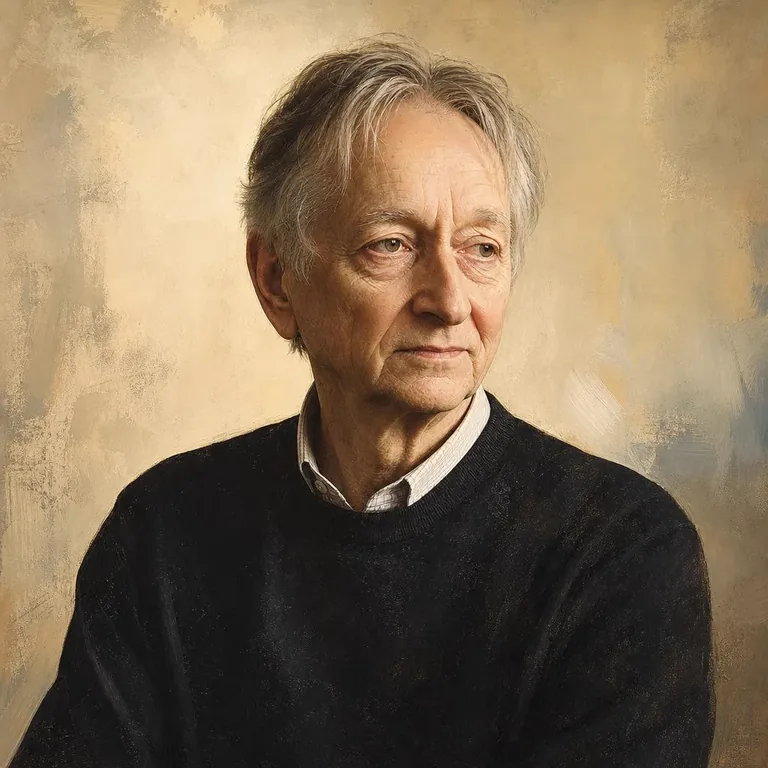
The cognitive scientist who spent forty years insisting that neural networks would work — through two AI winters, one Nobel Prize, and a final-act warning that they now might work too well.
Read Journey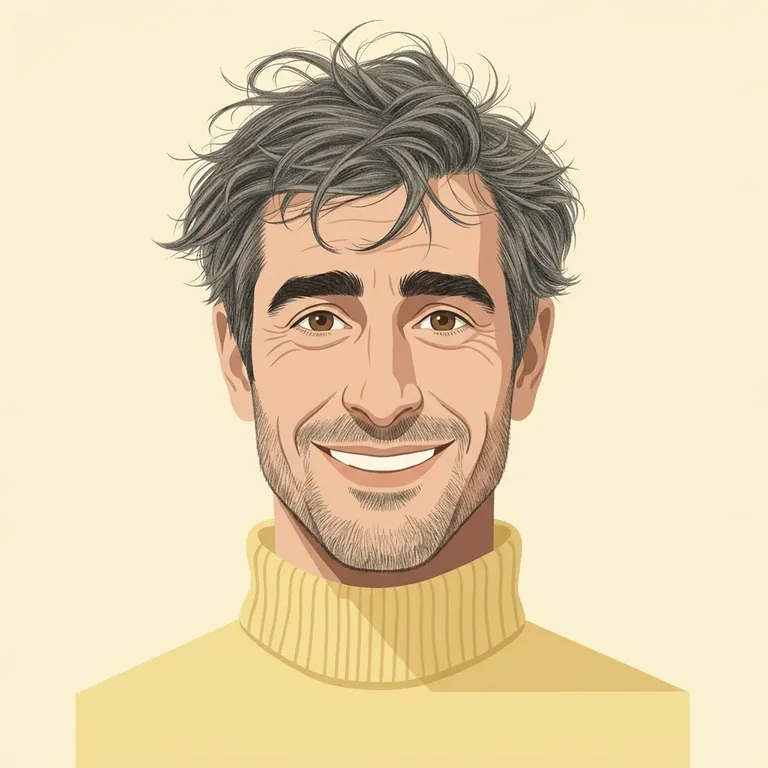
A Brooklyn-born Nobel laureate who reformulated quantum electrodynamics, played bongos in the Caltech faculty band, cracked Los Alamos safes for sport, and taught millions to think like a physicist.
Read Journey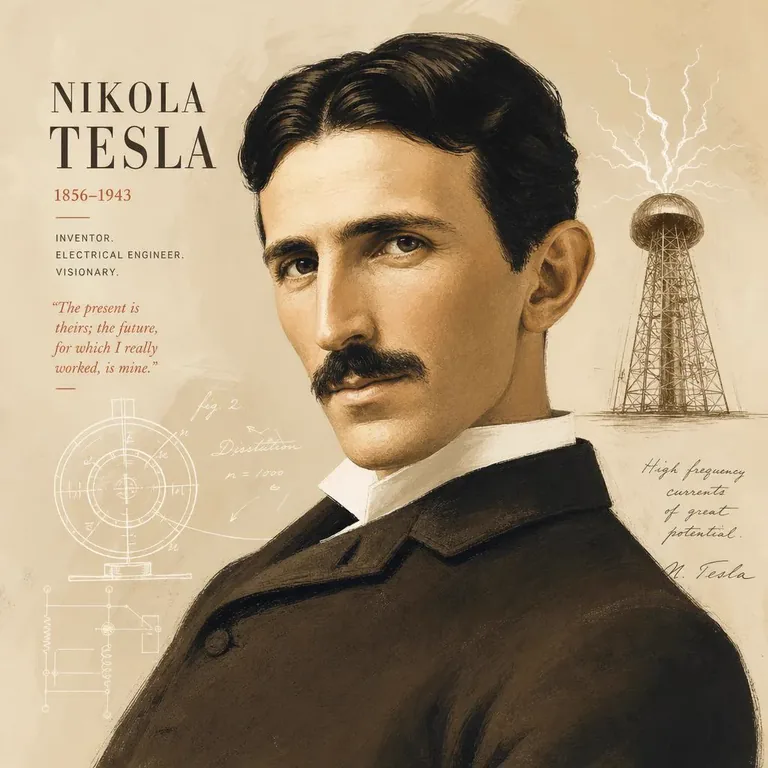
Imagined the alternating-current world we still live in — and proved that one engineer with the right model in his head could reshape the physical infrastructure of a planet, even while losing the business battles around it.
Read Journey
An editor at Random House who wrote her first novel before work in the early morning hours — and ended up rewriting the American literary canon and winning every major prize a writer can win.
Read Journey
Researchers who reshaped what humans understand about the physical world — and how they teach the next generation to think.
Open CollectionWe staked four years on a single funding application. The rejection arrived on a Tuesday. The next eighteen months were the most honest science of my career.
Read Story
Co-founder of Airbnb
Three air mattresses and a designer's eye that turned strangers into hosts — a founder who treats hospitality as a craft and product as the story.
Open Journey