Scientific Minds
Researchers who reshaped what humans understand about the physical world — and how they teach the next generation to think.

Marie Curie
A Polish-born scientist who walked across Europe to study physics, discovered two new elements, won Nobel Prizes in two different sciences, and pushed open the door for every woman scientist who came after her.
Read Journey
Richard Feynman
A Brooklyn-born Nobel laureate who reformulated quantum electrodynamics, played bongos in the Caltech faculty band, cracked Los Alamos safes for sport, and taught millions to think like a physicist.
Read Journey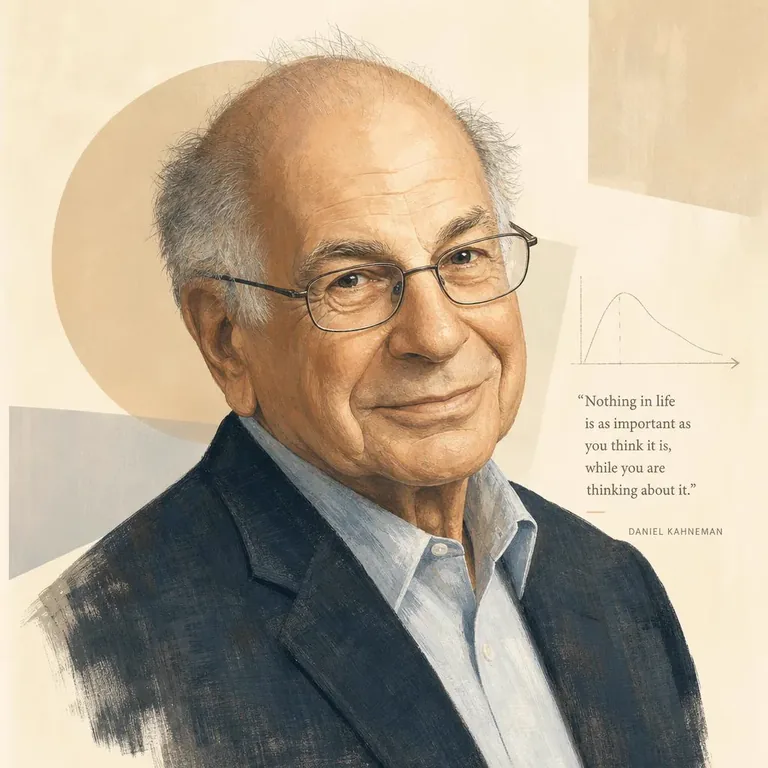
Daniel Kahneman
The psychologist who proved economists wrong about rationality — and gave the world a vocabulary for the two systems running in every human head.
Read Journey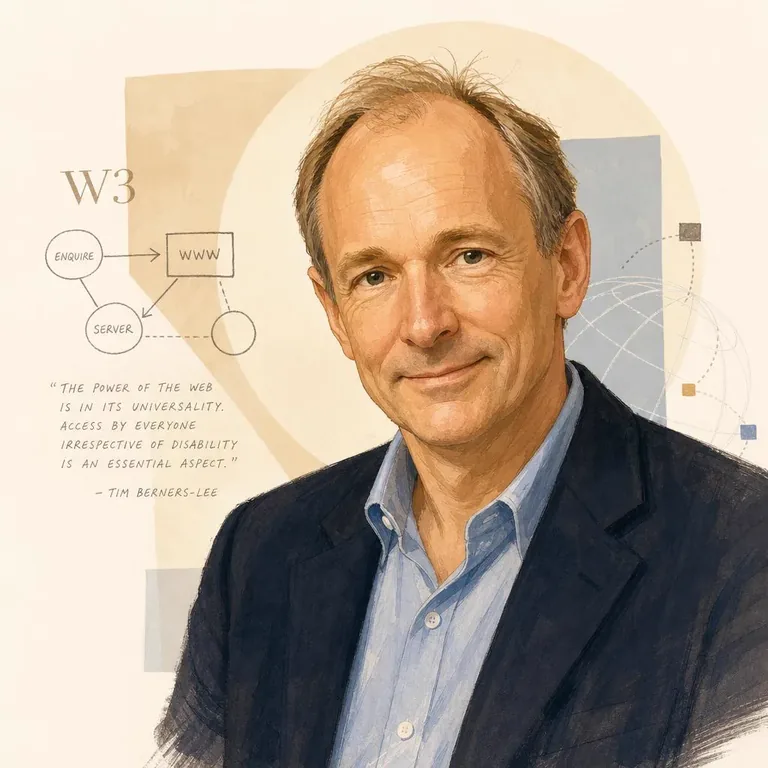
Tim Berners-Lee
The British physicist who quietly proposed a hypertext system at CERN — and then gave it away to humanity, refusing the patent that would have made him the richest engineer in history.
Read Journey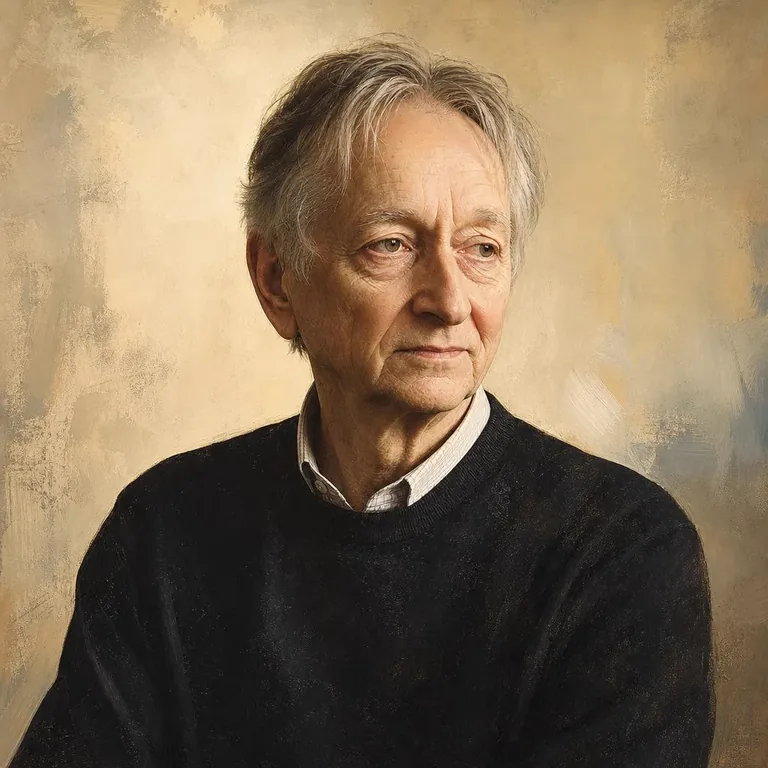
Geoffrey Hinton
The cognitive scientist who spent forty years insisting that neural networks would work — through two AI winters, one Nobel Prize, and a final-act warning that they now might work too well.
Read Journey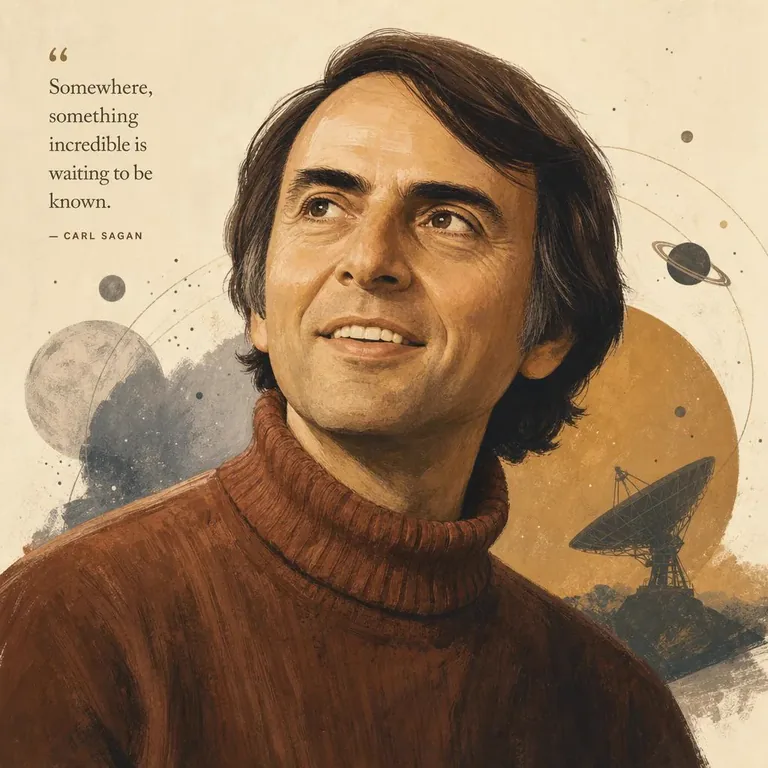
Carl Sagan
Built the most-watched science series in television history, talked to a planet about the Pale Blue Dot, and proved that rigorous astronomy and lyrical prose could share the same sentence — and the same career.
Read Journey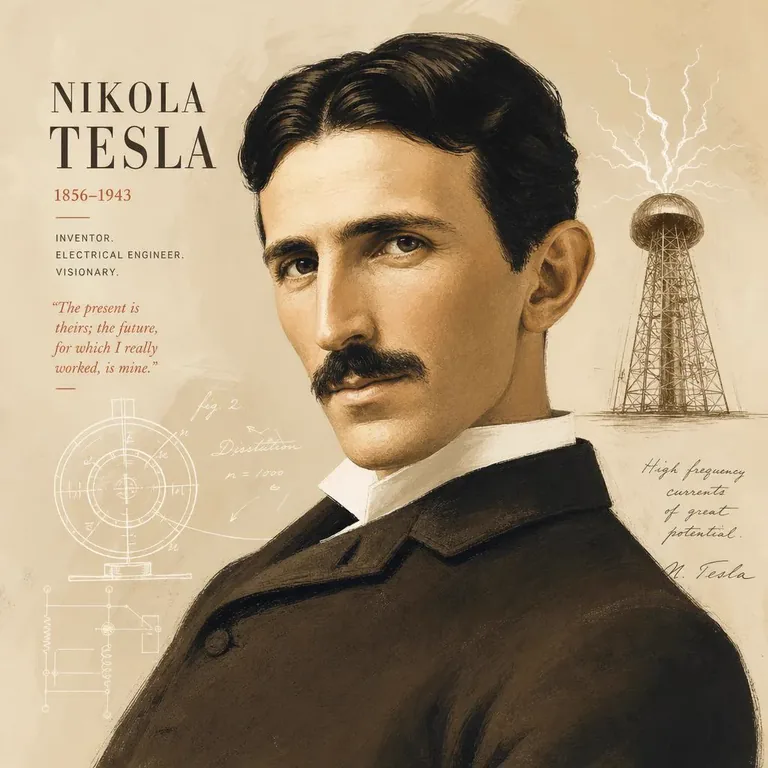
Nikola Tesla
Imagined the alternating-current world we still live in — and proved that one engineer with the right model in his head could reshape the physical infrastructure of a planet, even while losing the business battles around it.
Read Journey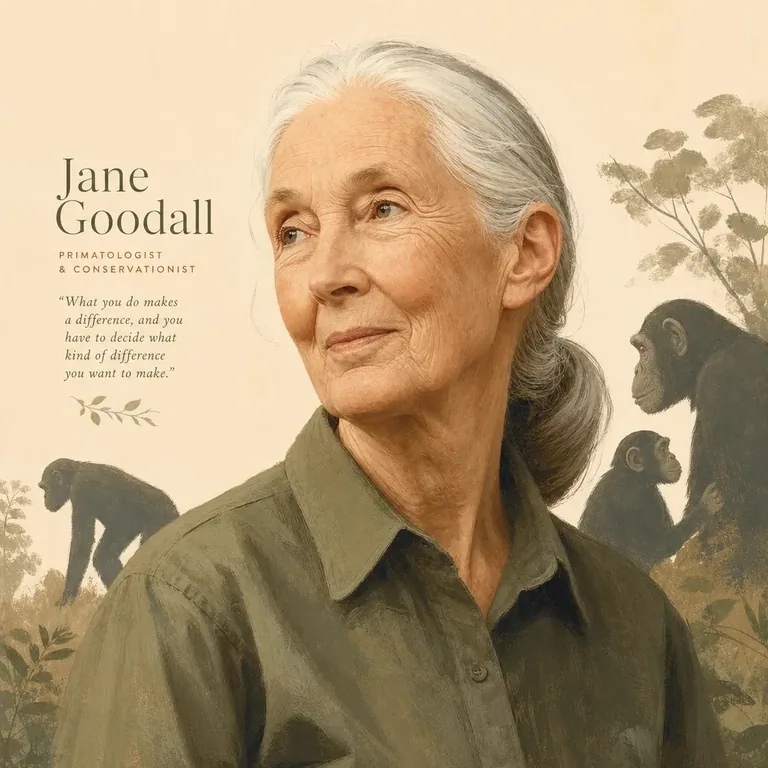
Jane Goodall
Walked into Gombe at 26 with a notebook and a pair of binoculars, watched chimpanzees use tools, and rewrote what humans were allowed to claim as uniquely their own — then spent sixty years building the institutions to protect what she had seen.
Read Journey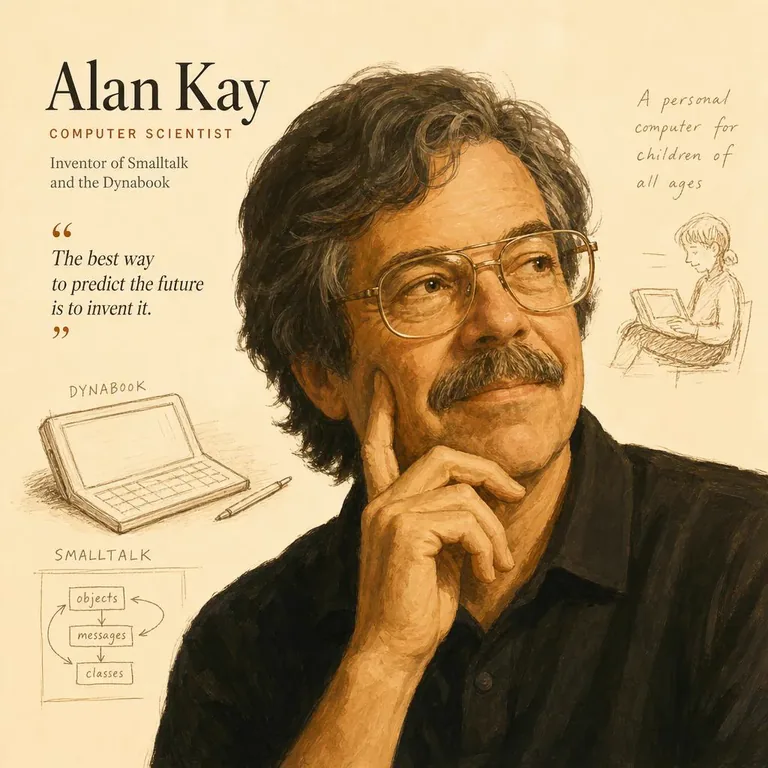
Alan Kay
The computer scientist who imagined the laptop, the GUI, and object-oriented programming a decade before any of them existed — then spent his life pushing the rest of the industry to catch up to the children he was building it for.
Read Journey