Visualization
MasteredSolved engineering problems entirely in his mind before drawing or building.
How it developed
A peculiar eidetic ability he documented since childhood.
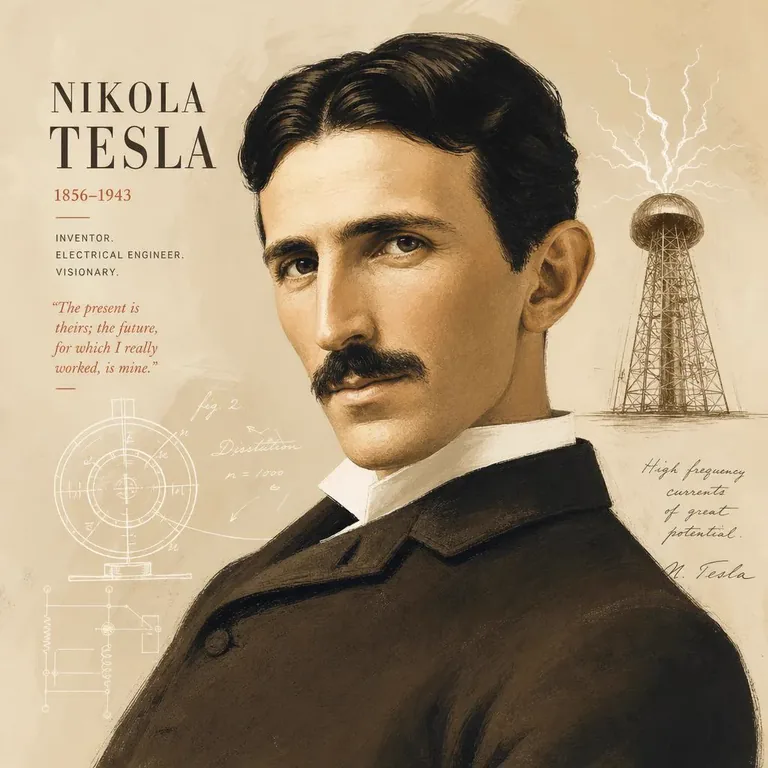
Inventor; Electrical Engineer.
Imagined the alternating-current world we still live in — and proved that one engineer with the right model in his head could reshape the physical infrastructure of a planet, even while losing the business battles around it.
Every story has the highlights. This is the boring middle, the doubts, and the moments that quietly changed everything.
Son of a Serbian Orthodox priest and an inventor mother who built household tools by hand.
Rural village with no exposure to advanced science.
An inventive mother can teach more than a curriculum.
Studied physics and mathematics; first encounter with a Gramme dynamo set off lifelong fixation on AC.
Lost his scholarship after gambling losses; never graduated.
Formal credentials are negotiable; obsessions aren't.
Walked through a Budapest park and visualized the polyphase induction motor in his mind.
No tools to build the device, only the vision.
The best inventions are first solved in the imagination.
Sailed for America with a letter of recommendation to Thomas Edison.
Penniless immigrant in a foreign industrial capital.
Talent plus a single letter can open the right door.
Resigned after Edison reneged on a promised $50,000 bonus for redesigning DC generators.
Walking away from steady work with no plan B.
Working for the wrong sponsor wastes the prime of your life.
Westinghouse licensed his polyphase patents for $60,000 plus royalties.
Convincing industry that AC could be safe and practical.
A patent is a contract with the future.
Westinghouse-Tesla system illuminated 200,000 light bulbs at the Columbian Exposition.
Public AC fearmongering by Edison's camp.
Public demonstrations beat editorial wars.
His polyphase system powered the first long-distance AC transmission from Niagara to Buffalo.
Proving AC could move power across a city, not a workbench.
Infrastructure is the deepest moat an engineer can build.
Built a massive coil that produced 100-foot artificial lightning bolts to study wireless energy.
Self-funded; no commercial customer for the science.
Some research has to be done before there's a market for it.
Backed by J.P. Morgan to build a global wireless system; envisioned planet-scale power and communication.
Marconi beat him to commercial radio mid-project.
Vision without milestones is a liability when investors get scared.
Morgan refused additional capital after learning Tesla intended to broadcast free wireless power.
A business model investors couldn't recoup from.
Aligning incentives matters as much as solving the physics.
Tower torn down to pay creditors; Tesla's grandest project ended in salvage value.
Public symbol of his decline.
Capital structures kill more inventions than physics ever did.
Posthumously credited as the inventor of radio by the US Supreme Court a few months later.
Decades of poverty after losing patent control.
Recognition often runs decades behind invention.
Skills aren't talents — they're the residue of a thousand decisions. Here is what compounded over a lifetime.
Solved engineering problems entirely in his mind before drawing or building.
A peculiar eidetic ability he documented since childhood.
Understood polyphase AC before the math was widely taught.
Graz Polytechnic plus years of solitary study.
Staged public exhibitions — passing high-frequency current through his body, lighting bulbs wirelessly — to convince skeptics.
Trained as a showman through the AC battles of the 1890s.
Filed 300+ patents across power, radio, motors, and remote control.
Disciplined documentation of every workable idea.
Anticipated radio, radar, remote control, neon lighting, and global wireless networks decades early.
Refused to specialize; followed the physics wherever it led.
Cultivated a public persona via press demos and predictions.
Survived the AC war by managing perception as carefully as circuits.
Returned to wireless power experiments for decades despite catastrophic failures.
Treated each setback as a parameter update, not a verdict.
No journey is a straight line. The setbacks weren't detours — they were the route.
Edison promised $50,000 to redesign DC generators, then refused to pay.
Quit, dug ditches briefly, then founded his own AC company.
Get the deal in writing before doing the work.
Visionary global wireless system ran out of capital and was demolished for scrap.
Pivoted to smaller consulting projects; never recovered financially.
Ambition needs a financing plan as detailed as the physics.
Marconi commercialized radio first using Tesla's prior patents; Tesla won posthumous credit.
Supreme Court vindication came months after his death.
First to market often beats first to invent.
Spent his last decades in hotels feeding pigeons, often unable to pay bills.
Westinghouse quietly paid his rent at the Hotel New Yorker out of respect.
Genius without operational support ends in dependency.
The books on the shelf, the people they studied, the ideas they kept returning to.
Nikola Tesla
Tesla's own account, originally serialized in Electrical Experimenter.
Marc Seifer
The most comprehensive modern biography.
Margaret Cheney
Definitive narrative biography that revived popular interest in Tesla.
Jill Jonnes
The AC vs. DC battle and the men who fought it.
John J. O'Neill
First major biography, by a Pulitzer-winning science journalist who knew him.
Thomas Commerford Martin
Compiled while Tesla was alive; contains his original technical lectures.
Interviews, keynotes, talks, and documentaries — chosen for the moments that reveal how they actually thought.
The bets that, made differently, would have written a different life.
AI-distilled takeaways, sorted by who you are and what you're building toward.
Mental prototyping saves orders of magnitude of physical iteration.
Brilliance without a billing model dies in scrap value.
Patents and notebooks are the receipts your future self will need.
Public proof moves opinion faster than peer-reviewed papers.
Solitary genius is a romance; institutions are what ship infrastructure.
Free-for-all visions starve before they scale.
The most interesting problems live between fields.
The questions most people have after studying this life. Tap one — every answer is built from Nikola Tesla's own timeline, decisions, books, and lessons on this page.
Adjacent journeys, a collection that frames the craft, and one pick from a different world.
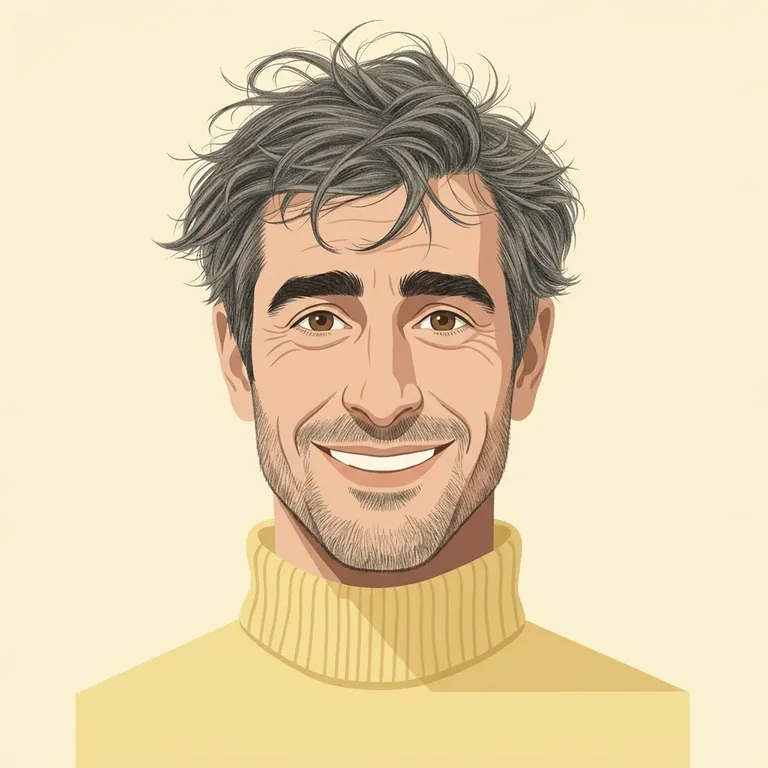
A Brooklyn-born Nobel laureate who reformulated quantum electrodynamics, played bongos in the Caltech faculty band, cracked Los Alamos safes for sport, and taught millions to think like a physicist.
Read Journey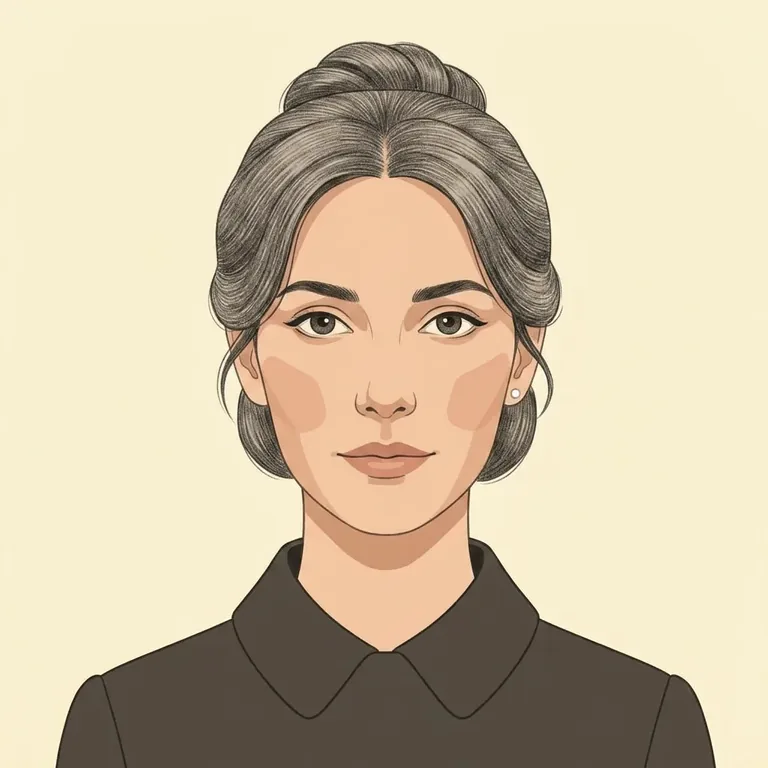
A Polish-born scientist who walked across Europe to study physics, discovered two new elements, won Nobel Prizes in two different sciences, and pushed open the door for every woman scientist who came after her.
Read Journey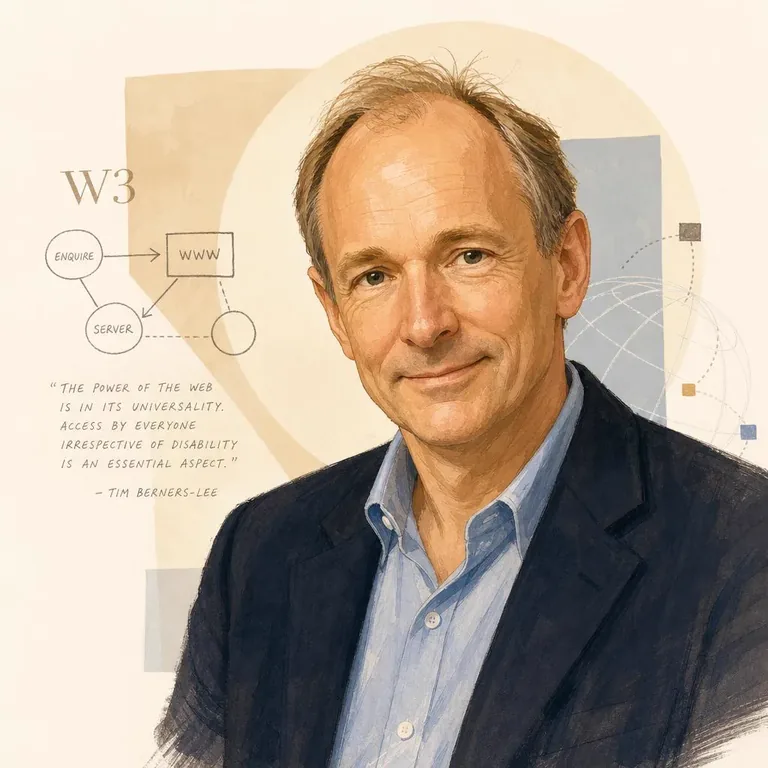
The British physicist who quietly proposed a hypertext system at CERN — and then gave it away to humanity, refusing the patent that would have made him the richest engineer in history.
Read Journey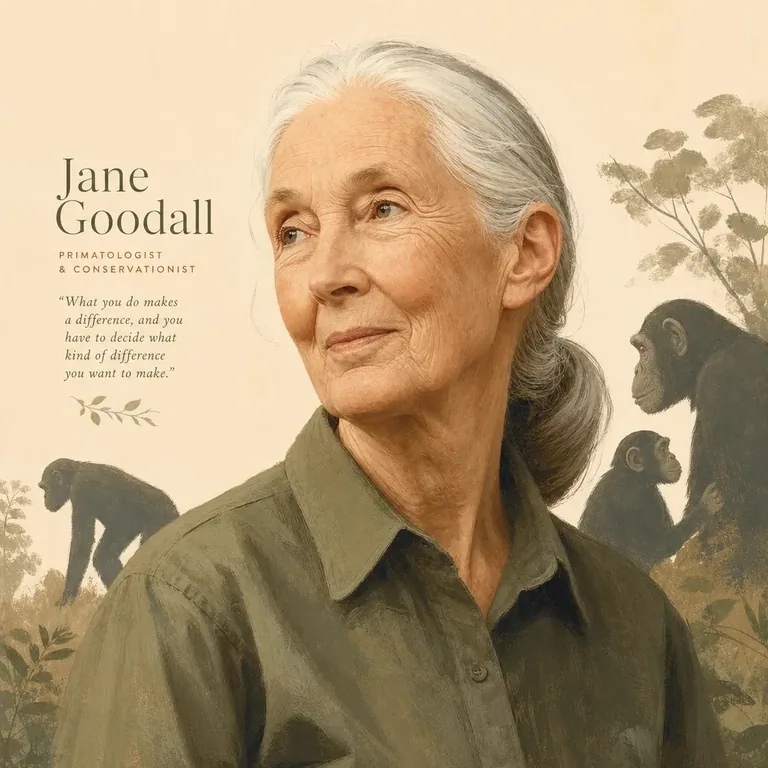
Walked into Gombe at 26 with a notebook and a pair of binoculars, watched chimpanzees use tools, and rewrote what humans were allowed to claim as uniquely their own — then spent sixty years building the institutions to protect what she had seen.
Read Journey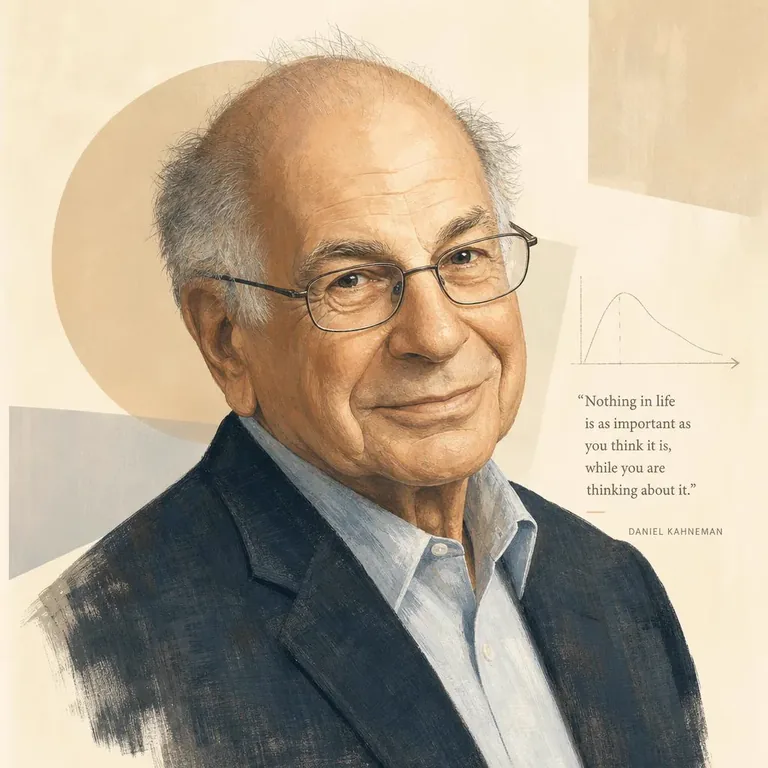
Researchers who reshaped what humans understand about the physical world — and how they teach the next generation to think.
Open Collection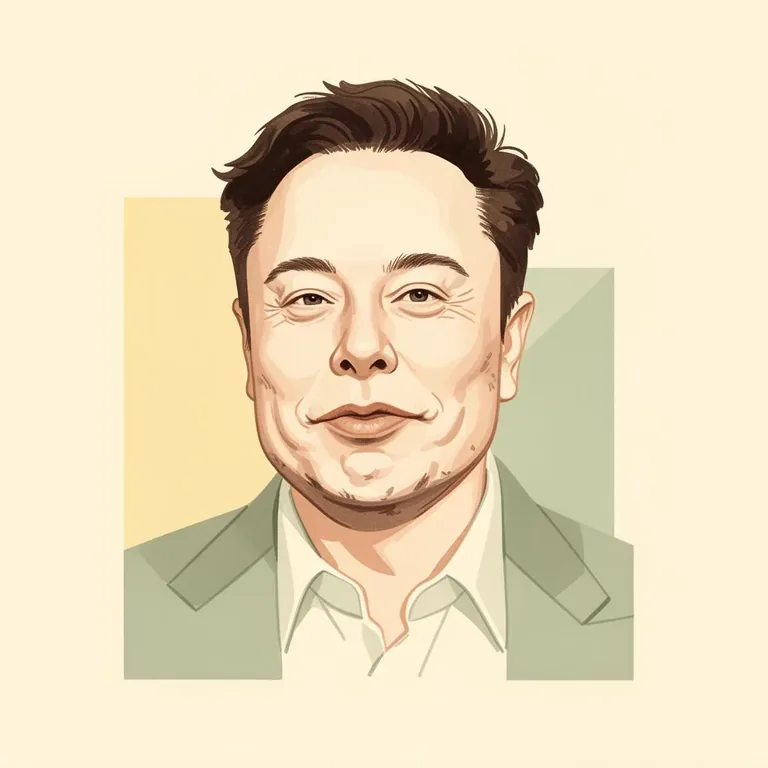
Founder of Tesla & SpaceX
An obsessive engineer betting on rockets, electric cars, and the impossible — applying first-principles thinking at planetary scale.
Open Journey